
Popular
-
 Suspendisse gravida lacus varius
Original price was: $33.00.$22.00Current price is: $22.00.
-
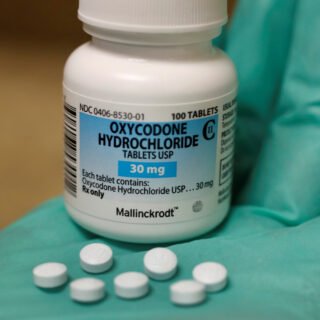 BUY OXYCODE 30MG ONLINE
Price range: $110.00 through $1,000.00
-
 In fringilla felis non nulla porta rutrum
Price range: $50.00 through $88.00
-
 Suspendisse volutpat massa
$39.00
-
 Cras viverra rhoncus
Price range: $66.00 through $88.00
](https://emipharmas.com/wp-content/uploads/2026/10/ok-30.jpg)
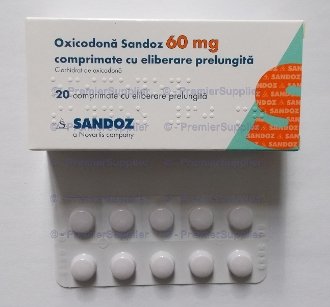
BUY OXYCODE 60MG ONLINE
Price range: $150.00 through $1,300.00
BUY OXYCODE 60MG ONLINE, oxycodone 60mg, its medical uses, prescription requirements, potential side effects, opioid safety precautions.
BUY OXYCODE 60MG ONLINE
Table of Contents
- Introduction to Oxycodone 60mg
- What Is Oxycodone?
- Medical Uses of Oxycodone
- Understanding the 60mg Strength
- How Oxycodone Works
- Important Prescription Requirements
- Potential Side Effects
- Serious Health Risks and Warnings
- Oxycodone Safety Information
- Responsible Pharmaceutical Services in Australia, Asia and Other Regions
- How to Identify a Legitimate Online Pharmacy
- Frequently Asked Questions
- Conclusion
Introduction to Oxycodone 60mg
Oxycodone is a prescription opioid medication used in the management of certain types of moderate to severe pain when other treatment options are inadequate or inappropriate.
As a pharmaceutical product, oxycodone requires careful medical supervision. Its use involves important considerations concerning prescription eligibility, individual medical history, potential interactions and the possibility of physical dependence.
Understanding oxycodone 60mg is particularly important because this is a high-strength formulation that requires professional medical assessment.
At EmiPharmas.com, pharmaceutical information should prioritise patient education, responsible medication practices and access through appropriately licensed healthcare providers.
What Is Oxycodone?
Oxycodone is an opioid analgesic that acts on opioid receptors in the central nervous system.
It changes how the brain and nervous system respond to pain signals, helping reduce the perception of pain in patients for whom the medication has been prescribed.
Oxycodone is available in different formulations and strengths. Certain formulations are designed for immediate release, while others are designed for extended release.
These formulations are not interchangeable.
Patients should always follow the instructions provided by their prescribing healthcare professional and pharmacist.
Medical Uses of Oxycodone
Healthcare professionals may prescribe oxycodone for selected patients experiencing significant pain.
Potential clinical applications include:
- Certain types of severe postoperative pain.
- Severe pain associated with particular medical conditions.
- Selected chronic pain conditions requiring specialist assessment.
- Pain management situations where alternative treatments are inadequate.
Oxycodone is not appropriate for every patient experiencing pain.
Before prescribing it, healthcare professionals consider the patient’s medical history, existing medications, previous opioid exposure and potential risk factors.
Understanding Oxycodone 60mg
The 60mg strength requires particular attention because it represents a high-strength opioid formulation.
The suitability of any oxycodone formulation depends on several clinical considerations.
These include:
- Previous opioid exposure.
- Current medical condition.
- Kidney and liver function.
- Other prescription medications.
- History of substance dependence.
- Risk of breathing difficulties.
- The formulation prescribed.
Patients should never independently select a 60mg strength, increase their medication or substitute one formulation for another.
Only a qualified prescriber can determine whether a particular strength and formulation are appropriate.
How Oxycodone Works
Oxycodone works by interacting with opioid receptors in the central nervous system.
These receptors participate in the body’s pain-processing pathways.
When oxycodone activates them, the transmission and perception of pain signals are altered.
However, opioid receptor activity can also affect other important body functions.
These effects may include:
- Reduced respiratory activity.
- Drowsiness.
- Changes in alertness.
- Constipation.
- Nausea.
- Physical dependence.
This is why medical supervision is essential throughout treatment.
Important Prescription Requirements
Oxycodone is a controlled prescription medication in many countries.
Its availability and legal classification vary between jurisdictions.
A legitimate pharmaceutical provider should never encourage patients to bypass prescription requirements.
Before obtaining prescription opioid medication, patients should:
- Consult an appropriately qualified healthcare professional.
- Receive an individual medical assessment.
- Obtain a valid prescription where legally required.
- Verify that the dispensing pharmacy is appropriately licensed.
- Confirm that the medication is authorised in the relevant jurisdiction.
- Follow the pharmacist’s instructions.
International shipping does not remove local prescription, importation or controlled-substance requirements.
Potential Side Effects of Oxycodone
Like other opioid medications, oxycodone can cause side effects.
Commonly reported effects include:
- Nausea and vomiting.
- Constipation.
- Drowsiness.
- Dizziness.
- Dry mouth.
- Sweating.
- Itching.
- Headache.
Side effects can differ between patients.
Anyone experiencing persistent or concerning symptoms should contact their healthcare professional.
Serious Side Effects
More serious reactions may include:
- Respiratory depression.
- Severe sedation.
- Loss of consciousness.
- Severe allergic reactions.
- Dangerous interactions with other medications.
Medical emergency: Slow or shallow breathing, inability to wake, or blue or grey lips may indicate an opioid overdose. Contact emergency services immediately and administer naloxone if available, following its instructions.
Serious Health Risks and Warnings
Oxycodone carries significant risks that patients must understand.
Respiratory Depression
One of the most serious risks is respiratory depression, in which breathing becomes dangerously slow or ineffective.
This can lead to oxygen deprivation, permanent injury or death.
Dependence and Addiction
Repeated opioid exposure can result in physical dependence.
Opioid use disorder can also develop, even when medication was initially prescribed for a legitimate medical condition.
Dangerous Drug Interactions
Combining oxycodone with alcohol, benzodiazepines, sleeping medications or other central nervous system depressants can substantially increase the risk of severe sedation and respiratory depression.
Patients should disclose all medications and substances they use to their healthcare professional.
Oxycodone Safety Information
Responsible medication management involves more than obtaining a prescription.
Patients should understand the following precautions:
- Never share prescription opioid medication.
- Never use medication prescribed to another person.
- Do not combine oxycodone with alcohol.
- Do not independently change prescribed treatment.
- Keep medication away from children and other unauthorised individuals.
- Store medication according to its packaging instructions.
- Dispose of unused medication through an authorised take-back programme where available.
If treatment needs to change, consult the prescribing healthcare professional.
Pharmaceutical Information Across International Markets
Patients researching oxycodone prescription information in different geographical markets should understand that pharmaceutical regulations differ significantly.
Australia
Australian patients should consult registered medical practitioners and pharmacies operating under applicable Australian medicines and controlled-substance regulations.
Asia
Asian countries have different prescription, dispensing and importation requirements. Patients should verify their country’s pharmaceutical regulations before seeking treatment.
Caribbean
Patients in Caribbean jurisdictions should use appropriately authorised healthcare providers and pharmacies.
Europe
European pharmaceutical regulations vary between countries. Patients should consult national medicines regulators and licensed pharmacies.
Africa
Patients across African countries should verify medication registration, prescription requirements and pharmacy licensing with their national medicines regulatory authorities.
Canada
Canadian patients should obtain controlled prescription medication through authorised healthcare professionals and licensed dispensing pharmacies.
Central America
Prescription and controlled-substance regulations differ between Central American countries. Local regulatory guidance is essential.
Oceania
Patients in Oceania should follow the pharmaceutical and controlled-medicine requirements applicable in their country.
Philippines
Patients in the Philippines should consult authorised medical practitioners and appropriately licensed pharmaceutical establishments.
South America
South American countries maintain different pharmaceutical registration, prescription and controlled-medicine frameworks. Local verification is important.
Frequently Asked Questions
What is oxycodone 60mg?
Oxycodone 60mg refers to a high-strength formulation of the opioid medication oxycodone. Its suitability must be assessed by a qualified healthcare professional.
Is oxycodone a prescription medication?
Yes. Oxycodone is a controlled prescription opioid in many countries. Applicable regulations depend on the patient’s jurisdiction.
What conditions is oxycodone prescribed for?
It may be prescribed for selected patients experiencing moderate to severe pain when other treatment options are insufficient or inappropriate.
Can oxycodone cause dependence?
Yes. Physical dependence and opioid use disorder are recognised risks associated with opioid medications.
Can oxycodone be combined with alcohol?
No. Combining oxycodone with alcohol can increase sedation and respiratory depression and may be fatal.
Is oxycodone 60mg suitable for everyone?
No. The strength is not suitable for everyone. A qualified prescriber must evaluate individual medical circumstances and opioid tolerance.
Can oxycodone be obtained through an online pharmacy?
Online dispensing may be permitted in some jurisdictions, but controlled-medication prescription, pharmacy licensing and importation requirements must be followed. Patients should use authorised healthcare providers and pharmacies.
What should someone do if they suspect an overdose?
Interaction of Oxycodone 60mg with Other Drugs
Oxycodone can interact with several prescription medicines, over-the-counter medications, herbal products and other substances. These interactions may change how oxycodone works in the body, increase its concentration in the bloodstream or increase the likelihood of serious adverse reactions.
Understanding potential drug interactions is essential for patients, healthcare professionals and pharmacists involved in prescription medication management.
Because oxycodone is a potent opioid, combining it with certain medications can increase the risk of excessive sedation, respiratory depression, unconsciousness and potentially fatal overdose
1 Benzodiazepines and Sedative Medications
Combining oxycodone with benzodiazepines or sedatives can significantly increase central nervous system depression.
Examples include:
-
Diazepam.
-
Alprazolam.
-
Lorazepam.
-
Clonazepam.
-
Sleeping medications.
-
Certain tranquillizers.
Potential interaction: Excessive sleepiness, confusion, reduced breathing, coma and potentially fatal respiratory depression.
2 Alcohol
Alcohol should not be combined with oxycodone.
Both substances can suppress central nervous system activity. Their combined effects can cause dangerous sedation and breathing difficulties.
Potential consequences include:
-
Severe drowsiness.
-
Loss of coordination.
-
Reduced breathing.
-
Loss of consciousness.
-
Increased overdose risk.
3 Antidepressants
Some antidepressants can interact with oxycodone, particularly medications affecting serotonin levels.
Examples include:
-
Fluoxetine.
-
Sertraline.
-
Paroxetine.
-
Venlafaxine.
-
Duloxetine.
-
Amitriptyline.
-
Trazodone.
Potential interaction: Certain combinations may increase the risk of serotonin syndrome, a potentially serious condition involving excessive serotonin activity.
Warning symptoms can include agitation, sweating, fever, tremors, muscle stiffness and rapid heartbeat.
4 Antibiotics and Antifungal Medications
Some antibiotics and antifungal medications affect enzymes responsible for breaking down oxycodone.
Examples include:
-
Clarithromycin.
-
Erythromycin.
-
Ketoconazole.
-
Itraconazole.
These medications may increase oxycodone concentrations and prolong its effects, potentially increasing the risk of serious adverse reactions.
5 Other Opioid Medications
Combining oxycodone with other opioid medications can increase opioid-related adverse effects.
Examples include:
-
Morphine.
-
Fentanyl.
-
Hydromorphone.
-
Tramadol.
-
Methadone.
Such combinations require careful medical assessment and supervision.
6 Anticonvulsants and Other Medicines
Certain medications used to manage seizures and other neurological conditions can affect oxycodone metabolism.
Examples include:
-
Carbamazepine.
-
Phenytoin.
-
Rifampin.
These medicines can alter oxycodone concentrations. Starting or stopping them may change the likelihood of opioid toxicity or withdrawal symptoms
7 Muscle Relaxants
Some muscle relaxants can increase sedation when combined with oxycodone.
Examples include:
-
Cyclobenzaprine.
-
Baclofen.
-
Carisoprodol.
Potential effects include dizziness, excessive sedation and breathing difficulties.
8 Antihistamines and Other Medications
Certain antihistamines and medications with anticholinergic properties may increase drowsiness, constipation and urinary retention when used with oxycodone.
Patients should inform their healthcare professionals about all medications they are taking, including non-prescription products.
.9 Important Precautions Before Combining Medications
Before using oxycodone alongside another medication, patients should:
-
Inform their doctor about all prescription medications.
-
Disclose over-the-counter medicines and supplements.
-
Avoid alcohol.
-
Never independently change medication doses.
-
Consult a pharmacist about potential interactions.
-
Seek emergency assistance if severe sedation or breathing difficulties occur
Frequently Asked Questions About Oxycodone Drug Interactions
Can oxycodone interact with antibiotics?
Yes. Certain antibiotics can affect the enzymes responsible for metabolising oxycodone, potentially increasing its concentration.
Can oxycodone interact with antidepressants?
Yes. Some antidepressants may increase the risk of serotonin syndrome or alter oxycodone metabolism.
Can oxycodone be taken with sleeping pills?
Combining oxycodone with sleeping pills can cause dangerous sedation and respiratory depression. Such combinations require careful medical assessment.
Can oxycodone interact with alcohol?
Yes. Alcohol increases the risk of severe sedation, respiratory depression, coma and death.
Should patients inform their pharmacist about other medications?
Absolutely. A complete medication history helps pharmacists and prescribers identify potentially dangerous interactions.
-
Conclusion
Oxycodone is an important prescription opioid medication that requires careful medical assessment, appropriate prescribing and responsible pharmaceutical management.
Understanding its medical applications, potential side effects, dependence risks and regulatory requirements helps patients make informed healthcare decisions.
EmiPharmas.com should prioritise accurate pharmaceutical education, responsible healthcare information and appropriate referral to licensed medical professionals and pharmacies.
Patients seeking information about prescription opioid medications should always place medical safety and compliance with local pharmaceutical regulations first.
| QUANTITY | 100 pills, 150 pills, 180 pills, 200 pils, 250 pills, 300 pills, 500 pills, 700 pills, 1000 pills |
|---|
Related products
-
BUY OXYCODE 30MG ONLINE
Price range: $110.00 through $1,000.00Select options This product has multiple variants. The options may be chosen on the product pageBUY OXYCODE 30MG ONLINE, Oxycodone 30mg, its medical uses, prescription requirements, potential risks, side effects and safe .
-
Oxycodone 80mg for sale
Price range: $300.00 through $900.00Select options This product has multiple variants. The options may be chosen on the product pageOxycodone 80mg for sale,medical information, approved uses, prescription requirements, safety precautions, potential side effects .
NEMBUTAL
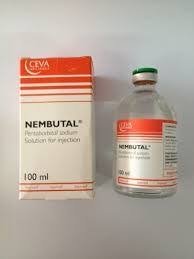
Nembutal is a brand name associated with pentobarbital sodium, a medication belonging to the barbiturate class. Barbiturates act on the central nervous system and can produce profound sedation and respiratory depression. Because of its potency, pentobarbital requires careful medical and regulatory oversight. Patients, caregivers, healthcare professionals, and pharmaceutical buyers should understand its risks before considering any product associated with this substance.
Read More




Reviews
There are no reviews yet.