
Popular
-
 Suspendisse gravida lacus varius
Original price was: $33.00.$22.00Current price is: $22.00.
-
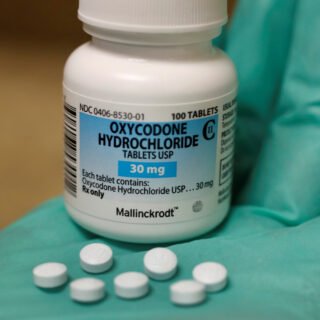 BUY OXYCODE 30MG ONLINE
Price range: $110.00 through $1,000.00
-
 In fringilla felis non nulla porta rutrum
Price range: $50.00 through $88.00
-
 Suspendisse volutpat massa
$39.00
-
 FENTANYL FOR SALE ONLINE
Price range: $190.00 through $1,500.00
](https://emipharmas.com/wp-content/uploads/2026/10/ok-30.jpg)

FENTANYL FOR SALE ONLINE
Price range: $190.00 through $1,500.00
FENTANYL FOR SALE ONLINE, medical uses, prescription requirements, potential side effects, drug interactions, overdose prevention.
FENTANYL FOR SALE ONLINE
Table of Contents
- Introduction to Fentanyl
- What Is Fentanyl?
- How Does Fentanyl Work?
- Legitimate Medical Uses of Fentanyl
- Different Pharmaceutical Forms of Fentanyl
- Understanding Fentanyl Prescription Requirements
- Fentanyl Side Effects and Safety Considerations
- Fentanyl Interactions With Other Drugs
- Fentanyl and Percocet 5mg: Important Interaction Warnings
- Fentanyl and Alcohol
- Fentanyl Overdose: Symptoms and Emergency Response
- Fentanyl Safety Across International Markets
- Prescription Verification and Pharmaceutical Quality
- Safe Storage and Disposal
- Frequently Asked Questions
- Request Medical and Pharmaceutical Information (RFQ)
- Conclusion
1. Introduction to Fentanyl
Pain management is an important part of modern healthcare. Patients experiencing severe pain because of major injuries, surgical procedures, cancer or certain serious medical conditions may require specialised treatment under professional supervision.
One medicine used in particular clinical circumstances is fentanyl, a potent synthetic opioid analgesic.
Fentanyl has an established role in medical practice, especially in anaesthesia and the management of certain severe pain conditions. However, its strength also means that it carries substantial risks when incorrectly prescribed, administered or combined with other medicines.
Understanding this medication requires more than knowing its name or pharmaceutical classification. Patients and caregivers need reliable information about its medical applications, possible adverse reactions, interactions, prescription requirements and overdose prevention.
At EmiPharmas, responsible pharmaceutical information should prioritise patient safety, medical accuracy and compliance with applicable medicine regulations.
This article provides an educational overview of fentanyl and explains why its use must always be guided by a qualified healthcare professional.
2. What Is Fentanyl?
Fentanyl is a synthetic opioid analgesic belonging to the opioid family of medicines.
It works by interacting with opioid receptors in the brain and central nervous system. These receptors influence how the body experiences and responds to pain.
Fentanyl is particularly potent compared with many other opioid pain medicines. This potency makes accurate clinical assessment, prescribing and monitoring essential.
Unlike ordinary over-the-counter pain relievers, fentanyl is a controlled prescription medicine in many countries. Its availability and permitted uses depend on national pharmaceutical laws.
2.1 Pharmaceutical Classification
Fentanyl belongs to the following pharmaceutical categories:
- Drug class: Opioid analgesic.
- Drug type: Synthetic opioid.
- Therapeutic category: Pain management and anaesthesia.
- Main pharmacological action: Opioid receptor activation.
- Prescription status: Subject to strict controls in many jurisdictions.
2.2 Why Is Fentanyl Used in Healthcare?
Healthcare professionals may consider fentanyl when managing specific situations involving severe pain or when an opioid is required as part of an anaesthetic procedure.
Its clinical applications depend on the patient’s medical condition, previous treatment, overall health and the particular formulation being considered.
Fentanyl is not an ordinary painkiller and is not appropriate for every type of pain.
3. How Does Fentanyl Work?
Fentanyl produces its principal pain-relieving effects through interaction with mu-opioid receptors in the central nervous system.
These receptors participate in the transmission and processing of pain signals.
When fentanyl activates these receptors, it changes the way the nervous system responds to painful stimuli.
Its effects may include:
- Reduction in pain perception.
- Changes in the emotional response to pain.
- Sedation.
- Reduced respiratory drive.
- Possible changes in alertness and coordination.
The same pharmacological action that makes fentanyl useful in carefully controlled medical environments also explains its potential dangers.
In particular, excessive opioid activity can suppress the brain’s respiratory centres, causing dangerously slow or absent breathing.
4. Legitimate Medical Uses of Fentanyl
Fentanyl has several recognised medical applications.
4.1 Anaesthesia and Surgical Procedures
Fentanyl may be used by qualified anaesthesia professionals as part of a carefully monitored anaesthetic plan.
During certain procedures, it can contribute to pain control while the clinical team monitors breathing, circulation and consciousness.
4.2 Severe Pain Management
Some patients with severe pain may receive specialised opioid treatment following an individual medical assessment.
The decision to prescribe fentanyl depends on the patient’s condition, treatment history, opioid tolerance and the formulation’s approved indication.
4.3 Cancer-Related Pain
Certain fentanyl formulations have specific approved indications for breakthrough cancer pain in appropriately selected patients who are already opioid-tolerant.
This is a specialised clinical application. Such formulations are not suitable for opioid-naive patients or ordinary self-treatment of pain.
4.4 Hospital-Based Pain Management
Fentanyl may also form part of hospital pain-management protocols where trained professionals can supervise its administration and monitor adverse effects.
5. Different Pharmaceutical Forms of Fentanyl
Fentanyl is manufactured in different pharmaceutical formulations. Each formulation has distinct clinical indications, administration requirements and safety considerations.
5.1 Transdermal Patches
Transdermal fentanyl patches deliver medication through the skin over an extended period.
They are prescribed for selected patients requiring continuous management of severe, persistent pain.
Patches require particular safety precautions because inappropriate use, accidental exposure or external heat can increase the risk of dangerous drug exposure.
5.2 Injectable Fentanyl
Injectable formulations are used in controlled medical settings, particularly in anaesthesia and selected hospital procedures.
Administration requires appropriately trained healthcare personnel and suitable monitoring facilities.
5.3 Transmucosal Formulations
Certain fentanyl products are designed for absorption through the tissues inside the mouth.
These specialised medicines have restricted indications and require careful patient selection.
Important: Different fentanyl formulations are not automatically interchangeable. Patients should never substitute one formulation for another without an authorised prescribing professional.
6. Understanding Fentanyl Prescription Requirements
Fentanyl is not an ordinary consumer pharmaceutical product.
A legitimate prescription process generally involves several stages:
- Medical assessment by an appropriately qualified professional.
- Review of the patient’s medical and medication history.
- Assessment of opioid tolerance and overdose risk.
- Confirmation that the intended formulation is appropriate.
- Prescription issued according to applicable laws.
- Dispensing by an appropriately licensed pharmacy.
- Patient counselling and follow-up monitoring.
6.1 Why Prescription Verification Matters
Prescription verification helps protect patients against counterfeit medicines, incorrect formulations, dispensing errors and potentially dangerous products.
Patients should confirm that their dispensing pharmacy is appropriately licensed and that the medication matches the authorised prescription.
Websites offering controlled medicines without proper prescription verification, professional oversight or transparent licensing should be treated with caution.
7. Fentanyl Side Effects and Safety Considerations
Like other opioid medicines, fentanyl can produce adverse effects.
The likelihood and severity of side effects depend on several factors, including the patient’s health, other medicines, formulation and individual response.
7.1 Common Side Effects
Potential side effects include:
- Nausea.
- Vomiting.
- Constipation.
- Drowsiness.
- Dizziness.
- Headache.
- Sweating.
- Itching.
- Confusion.
Patients should report persistent or concerning reactions to their healthcare provider.
7.2 Serious Side Effects
More serious adverse reactions may include:
- Respiratory depression.
- Severe sedation.
- Loss of consciousness.
- Dangerous reductions in blood pressure.
- Physical dependence.
- Opioid use disorder.
- Life-threatening overdose.
Respiratory depression is particularly important because it can progress rapidly and may become fatal without emergency treatment.
8. Fentanyl Interactions With Other Drugs
Drug interactions are among the most important considerations when a patient receives fentanyl.
Certain medicines can increase fentanyl exposure, intensify sedation or worsen respiratory depression.
Patients should provide their doctor and pharmacist with a complete list of prescription medicines, non-prescription products, supplements and other substances they use.
8.1 Benzodiazepines
Examples include:
- Diazepam.
- Alprazolam.
- Lorazepam.
- Clonazepam.
Combining opioids with benzodiazepines can cause profound sedation, respiratory depression, coma and death.
This combination requires exceptional clinical caution and should never be undertaken without explicit professional direction.
8.2 Sleeping Medicines
Certain sleeping medicines can increase drowsiness and respiratory suppression when combined with fentanyl.
Examples include zolpidem and other sedative-hypnotic medicines.
8.3 Antidepressants
Some antidepressants may interact with fentanyl through metabolic pathways or serotonergic activity.
In particular, certain combinations can increase the risk of serotonin syndrome, a potentially serious reaction involving symptoms such as agitation, sweating, fever, tremors and changes in muscle activity.
A pharmacist or prescribing clinician should review the exact medicines involved.
8.4 Muscle Relaxants
Some muscle relaxants can increase central nervous system depression.
When combined with opioids, they may contribute to excessive sedation and breathing difficulties.
8.5 Other Opioids
Combining fentanyl with another opioid can increase total opioid exposure and the risk of life-threatening respiratory depression.
This includes medicines containing oxycodone, morphine, hydrocodone or codeine.
Such combinations must not be initiated or adjusted without specialist medical direction.
9. Fentanyl and Percocet 5mg: Important Interaction Warnings
Percocet is a combination prescription medicine containing oxycodone and acetaminophen (paracetamol).
Oxycodone is an opioid analgesic, while acetaminophen is a non-opioid pain reliever.
The interaction between fentanyl and Percocet 5mg deserves particular attention because both products contain opioid medicines.
9.1 Can Fentanyl Interact With Percocet?
Yes. Combining fentanyl and Percocet can produce additive opioid effects.
Both medicines can suppress the central nervous system and reduce respiratory drive.
Potential consequences include:
- Severe drowsiness.
- Reduced alertness.
- Confusion.
- Poor coordination.
- Slow or shallow breathing.
- Respiratory arrest.
- Coma.
- Death.
9.2 Why Is This Combination Dangerous?
The principal concern is cumulative opioid activity.
When two opioid medicines affect the same central nervous system pathways, their combined effects may become more pronounced and less predictable.
A person may develop dangerous respiratory depression even when the medicines were originally prescribed for separate medical conditions.
9.3 What Should Patients Do?
Patients should never independently combine fentanyl with Percocet 5mg.
If both medicines appear on a patient’s medication list, the prescribing clinician and pharmacist must review the complete treatment plan.
Patients should not increase, reduce, discontinue or combine opioid medicines without professional advice.
If someone develops extreme sleepiness, cannot be awakened or experiences slow or absent breathing, emergency medical assistance is required immediately.
10. Fentanyl and Alcohol
Alcohol is a central nervous system depressant.
Combining alcohol with fentanyl can increase sedation and respiratory depression.
Potential complications include:
- Severe drowsiness.
- Impaired judgement.
- Loss of coordination.
- Reduced consciousness.
- Dangerous breathing suppression.
- Fatal overdose.
Patients receiving fentanyl should avoid alcohol unless their treating professional has provided specific guidance.
11. Fentanyl Overdose: Symptoms and Emergency Response
An opioid overdose is a medical emergency.
Fentanyl overdose may occur when opioid exposure overwhelms the body’s ability to maintain normal breathing.
11.1 Recognising an Opioid Overdose
Warning signs include:
- Very slow or absent breathing.
- Unresponsiveness.
- Inability to wake the person.
- Pinpoint pupils.
- Limp body.
- Gurgling or choking sounds.
- Blue, grey or unusually pale lips and skin.
Not every person will display all these symptoms.
11.2 What to Do During a Suspected Overdose
- Contact emergency medical services immediately.
- Administer naloxone if available and follow its instructions.
- Support breathing and provide rescue breathing or CPR if trained.
- If breathing resumes, place the person in the recovery position when appropriate.
- Continue monitoring until emergency professionals arrive.
Naloxone can temporarily reverse opioid effects. However, its effects may wear off before fentanyl has left the body.
Emergency medical assessment remains essential even if the person appears to recover.
12. Fentanyl Safety Across International Markets
Pharmaceutical regulations differ between countries. The classification, prescribing requirements, permitted formulations, dispensing procedures and import restrictions applicable to fentanyl must be checked locally.
The following sections provide general regulatory and patient-safety guidance rather than confirmation that online sales or international shipments are permitted.
12.1 Australia
Fentanyl is subject to strict medicines and controlled-drug requirements in Australia.
Patients should obtain medical advice from authorised healthcare professionals and use appropriately licensed dispensing channels.
Relevant authority: Therapeutic Goods Administration (TGA).
12.2 Asia
Asian countries have different pharmaceutical regulatory systems.
Patients, healthcare providers and pharmaceutical distributors must verify the applicable national controlled-medicine requirements before prescribing, dispensing or handling fentanyl.
12.3 Caribbean
Caribbean jurisdictions maintain their own pharmaceutical and controlled-medicine regulations.
Patients should consult authorised healthcare providers and local medicines regulators regarding prescription and dispensing requirements.
12.4 Europe
European pharmaceutical regulation involves national authorities and relevant regional frameworks.
Patients should verify local prescription rules and obtain medicines through authorised pharmacy channels.
12.5 Africa
African countries have different national medicine-control and pharmaceutical licensing systems.
Patients should consult registered healthcare professionals and the appropriate national medicines authority.
12.6 Canada
Fentanyl is subject to controlled-substance regulations in Canada.
Health Canada provides information concerning opioid safety, prescription requirements and overdose prevention.
12.7 Central America
Central American countries have individual pharmaceutical laws.
Prescription requirements, import controls and dispensing rules must be checked with the relevant national health authority.
12.8 Oceania
Oceania includes several jurisdictions with different medicine-control frameworks.
Patients should confirm the applicable regulations through their local health authority and registered pharmacy.
12.9 Philippines
The Philippines has national pharmaceutical and dangerous-drug controls.
Patients and healthcare providers should consult the Philippine Food and Drug Administration and relevant authorities for current requirements.
12.10 South America
South American pharmaceutical regulations vary between countries.
Patients should obtain prescription medicines through legally authorised healthcare and pharmacy channels.
13. Prescription Verification and Pharmaceutical Quality
Pharmaceutical quality is essential for patient protection.
A legitimate pharmacy should maintain appropriate licensing, sourcing procedures, storage standards and dispensing controls.
Important verification considerations include:
- Valid pharmacy licensing.
- Authorised pharmaceutical suppliers.
- Prescription authentication.
- Product traceability.
- Appropriate packaging and labelling.
- Expiry-date verification.
- Correct storage conditions.
- Pharmacist availability.
- Transparent contact information.
Patients should be cautious of websites advertising powerful controlled medicines without appropriate medical assessment or prescription verification.
14. Safe Storage and Disposal
Fentanyl requires careful storage because accidental exposure can be life-threatening.
Patients and caregivers should:
- Keep medicines in their original packaging.
- Store them securely and away from children.
- Prevent access by visitors and unauthorised persons.
- Follow the product’s specific storage instructions.
- Never share prescription medicines.
- Dispose of unused products through authorised medicine take-back or pharmacy disposal programmes.
Used patches can still contain dangerous amounts of medication and require careful disposal according to the product instructions.
15. Frequently Asked Questions
15.1 What is fentanyl used for?
Fentanyl is a potent synthetic opioid used in selected medical settings for severe pain management and anaesthesia.
15.2 Is fentanyl available without a prescription?
Fentanyl is a controlled prescription medicine in many jurisdictions. Patients must follow their local laws and obtain it through authorised medical and pharmaceutical channels.
15.3 Is fentanyl stronger than oxycodone?
Fentanyl is substantially more potent than oxycodone by weight. However, comparing opioid potency does not provide a safe basis for substituting medicines or calculating doses.
15.4 Can fentanyl be taken with Percocet 5mg?
Combining fentanyl with Percocet may cause dangerous additive opioid effects, including severe respiratory depression. Patients must not combine them without explicit specialist medical direction.
15.5 Can fentanyl be taken with alcohol?
Combining fentanyl and alcohol can cause severe sedation and potentially fatal respiratory depression. Patients should avoid alcohol while receiving fentanyl.
15.6 What are the most serious risks of fentanyl?
The most serious risks include respiratory depression, overdose, physical dependence, addiction and death.
15.7 What should I do if someone overdoses?
Call emergency medical services immediately. Administer naloxone if available, provide breathing support if trained and continue monitoring until emergency assistance arrives.
15.8 Can fentanyl be purchased through an online pharmacy?
Any online pharmacy handling controlled medicines must comply with the laws of the relevant jurisdiction. Patients should verify the pharmacy’s licence, prescription requirements and dispensing authorisation before using its services.
15.9 Is every fentanyl formulation the same?
No. Fentanyl patches, injections and transmucosal products have different indications and administration requirements. They must not be substituted without professional authorisation.
15.10 Why should a pharmacist review other medicines?
A pharmacist can identify potentially dangerous interactions, assess duplicate opioid therapy and help prevent medication-related complications.
16. Request Medical and Pharmaceutical Information (RFQ)
At EmiPharmas, responsible pharmaceutical communication should begin with patient safety, regulatory compliance and accurate medical information.
Healthcare professionals, institutions and authorised pharmaceutical organisations seeking information about fentanyl-related medicines should use appropriate professional channels.
Information requests may cover:
- General pharmaceutical product information.
- Approved formulations and indications.
- Prescription and dispensing requirements.
- Product documentation.
- Storage and handling information.
- Regulatory and licensing requirements.
- Medication safety and drug-interaction information.
- Pharmacist consultation and verification procedures.
Important notice: Requests concerning controlled medicines must undergo appropriate professional and regulatory verification. This information request does not constitute an offer to sell or supply fentanyl.
17. Conclusion
Fentanyl has an important but highly specialised role in modern medicine. Its ability to provide powerful pain relief makes it useful in selected anaesthesia and pain-management situations, but its potency also creates serious risks.
Patients should understand its possible side effects, drug interactions, prescription requirements and overdose warnings before beginning treatment.
Particular care is necessary when fentanyl is considered alongside other opioids, including oxycodone-containing medicines such as Percocet 5mg. Combining these medicines without appropriate medical supervision can result in life-threatening respiratory depression.
For patients, caregivers and healthcare professionals, the priority should always be accurate pharmaceutical information, authorised prescribing, responsible dispensing and safe medication practices.
EmiPharmas – Promoting Responsible Pharmaceutical Information and Patient Safety.
| QUANTITY | 100 pills, 150 pills, 180 pills, 200 pils, 250 pills, 300 pills, 500 pills, 700 pills, 1000 pills |
|---|
Related products
-
Oxycodone 80mg for sale
Price range: $300.00 through $900.00Select options This product has multiple variants. The options may be chosen on the product pageOxycodone 80mg for sale,medical information, approved uses, prescription requirements, safety precautions, potential side effects .
-
BUY OXYCODE 60MG ONLINE
Price range: $150.00 through $1,300.00Select options This product has multiple variants. The options may be chosen on the product pageBUY OXYCODE 60MG ONLINE, oxycodone 60mg, its medical uses, prescription requirements, potential side effects, opioid safety precautions.
-
PERCOCET 5MG FOR SALE
Price range: $95.00 through $700.00Select options This product has multiple variants. The options may be chosen on the product pagePERCOCET 5MG FOR SALE, its ingredients, medical uses, safety precautions, drug interactions, opioid risks and prescription requirements.
-
FENTANYL POWER FOR SALE
Price range: $140.00 through $1,500.00Select options This product has multiple variants. The options may be chosen on the product pageFENTANYL POWER FOR SALE, medical uses, potency, safety precautions, serious side effects, drug interactions and the importance of opioid.
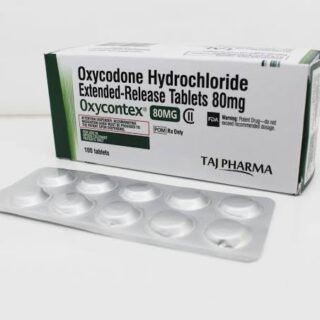
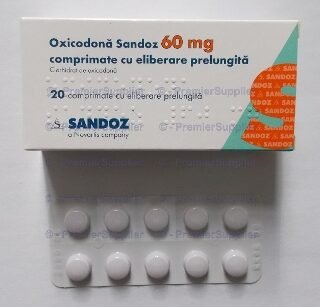

NEMBUTAL
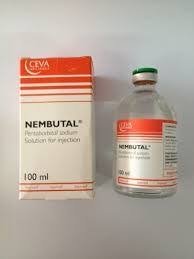
Nembutal is a brand name associated with pentobarbital sodium, a medication belonging to the barbiturate class. Barbiturates act on the central nervous system and can produce profound sedation and respiratory depression. Because of its potency, pentobarbital requires careful medical and regulatory oversight. Patients, caregivers, healthcare professionals, and pharmaceutical buyers should understand its risks before considering any product associated with this substance.
Read More




Reviews
There are no reviews yet.