
Popular
-
 Suspendisse gravida lacus varius
Original price was: $33.00.$22.00Current price is: $22.00.
-
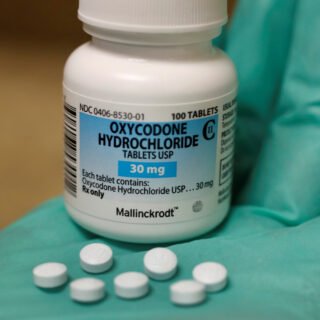 BUY OXYCODE 30MG ONLINE
Price range: $110.00 through $1,000.00
-
 In fringilla felis non nulla porta rutrum
Price range: $50.00 through $88.00
-
 Suspendisse volutpat massa
$39.00
-
 FENTANYL FOR SALE ONLINE
Price range: $190.00 through $1,500.00
](https://emipharmas.com/wp-content/uploads/2026/10/ok-30.jpg)
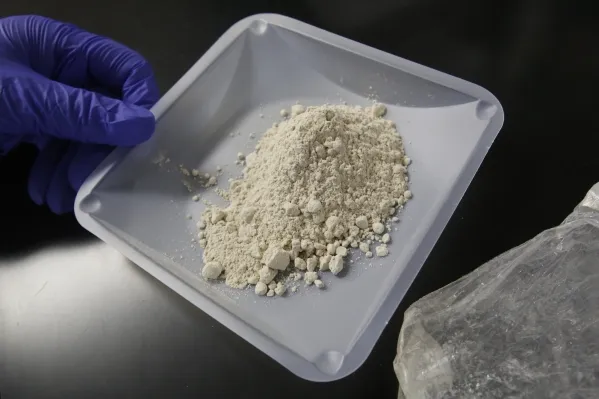

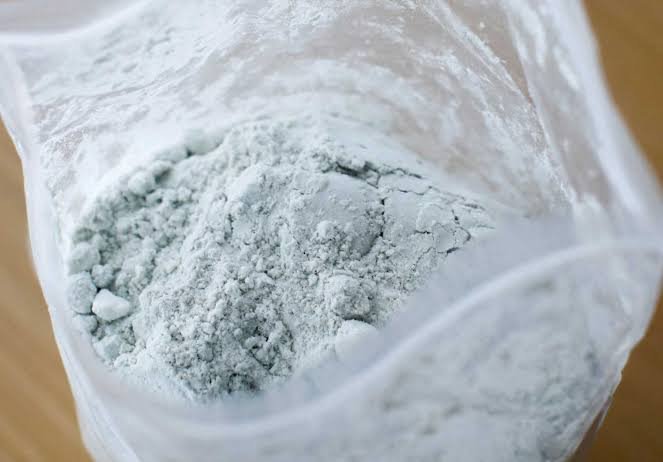

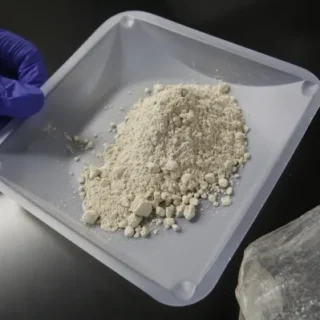
FENTANYL POWER FOR SALE
Price range: $140.00 through $1,500.00
FENTANYL POWER FOR SALE, medical uses, potency, safety precautions, serious side effects, drug interactions and the importance of opioid.
FENTANYL POWER FOR SALE
TABLE OF CONTENTS
- Introduction to Fentanyl
- What Is Fentanyl?
- Understanding Pharmaceutical Fentanyl
- Medical Applications of Fentanyl
- How Fentanyl Works in the Human Body
- Pharmaceutical Formulations
- Prescription Requirements and Medical Supervision
- Fentanyl Side Effects and Safety Warnings
- Fentanyl Interaction With Other Drugs
- Fentanyl and Percocet 5mg: Important Interaction Warnings
- Fentanyl and Alcohol
- Fentanyl and Benzodiazepines
- Fentanyl Overdose: Warning Signs
- Naloxone and Emergency Treatment
- Safe Storage and Pharmaceutical Handling
- Fentanyl Regulations Across International Markets
- Fentanyl Information for Australia and Oceania
- Fentanyl Information for Asia and the Philippines
- Fentanyl Information for Europe
- Fentanyl Information for Africa
- Fentanyl Information for Canada
- Fentanyl Information for the Caribbean and Central America
- Fentanyl Information for South America
- Responsible Pharmaceutical Information at EmiPharmas
- Frequently Asked Questions
- Pharmaceutical Information Request (RFQ)
- Conclusion
1. Introduction to Fentanyl
Fentanyl is a synthetic opioid medication used in modern medicine for specific pain-management and anaesthesia applications. It is a highly potent pharmaceutical substance that requires careful medical assessment, professional supervision and strict compliance with prescription regulations.
Over the years, fentanyl has become an important subject in medical research, anaesthesia, pain management and pharmaceutical safety discussions. Its effectiveness in particular clinical situations has made it relevant to healthcare professionals, pharmacists, hospitals and patients receiving specialist pain treatment.
However, its potency also creates significant risks when it is used incorrectly. Excessive exposure can suppress breathing, cause unconsciousness and result in a life-threatening opioid overdose.
For this reason, understanding fentanyl requires more than knowing its medical applications. Patients and healthcare professionals must also understand its contraindications, potential interactions, storage requirements and emergency precautions.
This guide from EmiPharmas provides educational information about pharmaceutical fentanyl, its legitimate medical applications and the responsibilities associated with opioid medication safety.
The purpose of this article is to help readers make informed healthcare decisions while recognising that fentanyl is not an ordinary painkiller and must never be used without appropriate medical authorisation.
2. What Is Fentanyl?
Fentanyl is a synthetic opioid analgesic. Synthetic opioids are substances manufactured through chemical processes and designed to interact with opioid receptors in the human nervous system.
These receptors participate in the body’s regulation of pain, emotional responses and other physiological functions.
Fentanyl works primarily by activating mu-opioid receptors. This action changes how the brain and nervous system perceive and respond to pain.
Pharmaceutical fentanyl is manufactured for controlled medical applications. It is different from illegally manufactured fentanyl, which may be produced without pharmaceutical quality controls and distributed through unregulated markets.
According to the US Centers for Disease Control and Prevention, pharmaceutical fentanyl is used in certain surgical procedures and for severe pain, while illegally manufactured fentanyl is associated with substantial overdose risks.
Important characteristics include:
- Classification: Synthetic opioid analgesic.
- Pharmaceutical purpose: Selected severe-pain and anaesthesia applications.
- Mechanism: Mu-opioid receptor activation.
- Medical supervision: Essential.
- Main serious safety concern: Respiratory depression.
- Dependence potential: Yes.
- Overdose reversal medication: Naloxone.
Fentanyl is substantially more potent than morphine. Consequently, even relatively small medication errors can have serious consequences.

3. Understanding Pharmaceutical Fentanyl
Pharmaceutical fentanyl is produced for legitimate healthcare purposes under regulated manufacturing and quality-control systems.
Its clinical use is determined by the patient’s medical condition, previous treatment history, opioid tolerance, other medications and the judgment of qualified healthcare professionals.
Pharmaceutical quality assurance is important because the identity, concentration, purity and consistency of an opioid medication can directly affect patient safety.
A legitimate pharmaceutical product should have appropriate manufacturing documentation, traceability, labelling and regulatory authorisation.
Patients should never assume that a substance is pharmaceutical-grade simply because its packaging contains a familiar medication name.
Products obtained through unverified online sellers, informal suppliers or unauthorised distribution channels may contain unknown substances or dangerous concentrations.
For healthcare professionals and patients, verification of the authorised source is an important part of responsible pharmaceutical practice.
4. Medical Applications of Fentanyl
Fentanyl has several recognised medical applications, although its use is limited to carefully selected clinical circumstances.
4.1 Anaesthesia
Fentanyl may be used by qualified anaesthesia professionals as part of a controlled anaesthetic plan.
During surgery, anaesthesia teams must manage pain, consciousness, cardiovascular responses and respiratory function.
Fentanyl may be selected in particular circumstances because of its rapid and powerful analgesic effects.
Its administration requires appropriate monitoring and access to equipment and personnel capable of responding to respiratory complications.
4.2 Severe Pain Management
Certain fentanyl formulations are authorised for specific severe-pain conditions.
Some transmucosal formulations have narrowly defined indications involving breakthrough cancer pain in appropriately selected opioid-tolerant patients.
This does not mean fentanyl is suitable for ordinary headaches, minor injuries, everyday discomfort or routine self-treatment.
A medical professional must determine whether the medication is appropriate.
4.3 Specialist Hospital Care
Fentanyl may be used in selected hospital environments where patients require carefully monitored pain management.
Examples include particular surgical and specialist-care settings.
Its use depends on clinical assessment, patient characteristics and the availability of appropriate monitoring.
4.4 Cancer Pain Management
Certain specialised fentanyl products have been developed for breakthrough cancer pain in patients who meet specific clinical requirements.
Breakthrough pain refers to sudden episodes of pain that occur despite an established pain-management programme.
The selection of medication must be made by a qualified specialist.
Patients should not independently substitute one opioid medication for another.
5. How Fentanyl Works in the Human Body
Fentanyl interacts with opioid receptors located throughout the central nervous system.
These receptors influence the transmission and perception of pain signals.
When fentanyl activates the relevant receptors, the nervous system responds differently to painful stimulation.
This can produce analgesia, but it can also cause sedation and suppression of the respiratory system.
Respiratory depression is one of the most serious opioid-related complications.
The medication may also affect:
- Alertness and consciousness.
- Gastrointestinal activity.
- Heart rate.
- Blood pressure.
- Pupil size.
- Physical coordination.
- The body’s response to carbon dioxide.
The effects vary according to the individual, formulation, medical circumstances and other substances present in the body.
An especially important consideration is that opioid tolerance does not eliminate overdose risk.
Even patients with previous opioid exposure can experience dangerous respiratory suppression.

6. Pharmaceutical Formulations
Fentanyl is available in different pharmaceutical formulations for particular clinical applications.
Examples include:
6.1 Injectable Formulations
Injectable fentanyl is used in controlled medical environments, including selected anaesthesia and hospital-care situations.
Administration is handled by authorised healthcare professionals with appropriate patient monitoring.
6.2 Transdermal Patches
Transdermal fentanyl patches are designed to deliver medication through the skin over a prolonged period.
They are intended for carefully selected patients with specific chronic pain-management requirements.
Patients must follow the exact instructions supplied with their prescribed formulation.
Heat exposure and incorrect patch handling can increase the risk of dangerous medication exposure.
6.3 Buccal Formulations
Certain fentanyl products are designed to dissolve in the mouth, allowing absorption through the oral mucosa.
These products have specific approved indications and patient-selection requirements.
6.4 Sublingual Formulations
Some formulations are designed for administration beneath the tongue.
Their use is restricted to appropriate medical indications and must follow the manufacturer’s approved instructions.
Different formulations are not automatically interchangeable.
A patch, injectable preparation and oral formulation can have substantially different absorption characteristics and clinical requirements.
7. Prescription Requirements and Medical Supervision
Fentanyl is a controlled opioid medication in many countries.
Its prescription and administration are governed by national medicines legislation, controlled-drug regulations and professional healthcare standards.
A qualified prescriber must assess the patient before treatment.
Important considerations include:
- Medical diagnosis.
- Nature and severity of pain.
- Previous opioid exposure.
- Respiratory health.
- Existing medications.
- History of medication reactions.
- Risk of dependence or misuse.
- Patient age and general medical condition.
Patients must not share prescribed fentanyl with another person.
They must also avoid changing their treatment without consulting the prescribing professional.
An online description or pharmaceutical advertisement cannot replace a clinical consultation.
8. Fentanyl Side Effects and Safety Warnings
Fentanyl can produce adverse effects even when prescribed appropriately.
The likelihood and severity depend on individual circumstances, the formulation and other medications.
8.1 Commonly Reported Side Effects
Potential side effects include:
- Nausea.
- Vomiting.
- Constipation.
- Drowsiness.
- Dizziness.
- Sweating.
- Dry mouth.
- Headache.
- Itching.
Patients should report persistent or concerning symptoms to their healthcare professional.
8.2 Serious Side Effects
More serious reactions may include:
- Severe respiratory depression.
- Extreme sedation.
- Loss of consciousness.
- Dangerous reductions in blood pressure.
- Severe allergic reactions.
- Physical dependence.
- Opioid use disorder.
Respiratory depression requires immediate medical attention.
8.3 Respiratory Depression
Respiratory depression occurs when breathing becomes dangerously slow, shallow or ineffective.
Because fentanyl can suppress the brain’s respiratory control centres, this complication is particularly important.
Risk may increase when fentanyl is combined with other substances that slow the central nervous system.
8.4 Dependence and Withdrawal
Repeated exposure to opioids can lead to physical dependence.
Physical dependence means the body has adapted to the presence of the medication.
Stopping treatment suddenly after prolonged use may cause withdrawal symptoms.
Patients should seek professional advice before changing or discontinuing long-term opioid treatment.
9. Fentanyl Interaction With Other Drugs
Drug interactions are among the most important considerations in fentanyl safety.
A drug interaction occurs when one medication changes the effects of another medication or affects the way the body processes it.
Some interactions can increase fentanyl exposure, while others can intensify sedation and respiratory depression.
Patients should provide their doctor and pharmacist with a complete list of medications, supplements and substances they use.
9.1 Other Opioid Medications
Combining fentanyl with other opioids can increase the overall opioid effect.
Examples include:
- Oxycodone.
- Morphine.
- Hydromorphone.
- Hydrocodone.
- Methadone.
- Codeine.
The combined effects may cause severe sedation, respiratory depression and potentially fatal overdose.
9.2 Benzodiazepines
Benzodiazepines are medicines commonly prescribed for certain anxiety disorders, seizure conditions and other medical indications.
Examples include:
- Diazepam.
- Alprazolam.
- Lorazepam.
- Clonazepam.
Combining benzodiazepines with fentanyl can significantly increase the risk of dangerous sedation and respiratory suppression.
Such combinations require careful professional assessment and monitoring.
9.3 Sleeping Medications
Some sleeping medications suppress activity in the central nervous system.
Combining them with fentanyl can increase the risk of unconsciousness and breathing difficulties.
Patients should not add sleeping medication to an opioid treatment plan without medical approval.
9.4 Antidepressants
Certain antidepressants may interact with opioid medications.
The interaction depends on the particular antidepressant and the clinical circumstances.
Some combinations can increase sedation, while certain medicines that affect serotonin may contribute to a risk of serotonin syndrome.
Patients should report all antidepressants to their prescribing professional.
9.5 Antifungal Medications
Certain antifungal medications can inhibit enzymes involved in the metabolism of fentanyl.
This may increase fentanyl exposure and the risk of adverse effects.
Patients should inform their healthcare professional when starting or stopping antifungal treatment.
9.6 Antibiotics
Some antibiotics can affect drug-metabolising enzymes.
The significance of an interaction depends on the specific antibiotic and the fentanyl formulation.
A pharmacist should review the complete medication list before a new treatment is introduced.
9.7 Muscle Relaxants
Some muscle relaxants cause drowsiness and central nervous system depression.
When combined with fentanyl, they may increase the risk of impaired consciousness and respiratory complications.
10. Fentanyl and Percocet 5mg: Important Interaction Warnings
Percocet is a prescription combination medication containing oxycodone and acetaminophen.
Oxycodone is an opioid analgesic, while acetaminophen is a non-opioid pain reliever.
The combination of fentanyl and Percocet deserves particular attention because both medicines contain opioid ingredients.
Why Is the Combination Dangerous?
Both fentanyl and oxycodone can suppress the central nervous system.
When taken together, their effects may be additive.
Potential complications include:
- Severe sedation.
- Reduced respiratory activity.
- Slow or shallow breathing.
- Unconsciousness.
- Coma.
- Fatal overdose.
The acetaminophen component of Percocet also introduces a separate consideration: excessive total acetaminophen exposure can cause serious liver injury.
Important Patient Guidance
Patients should never combine fentanyl and Percocet independently.
Only a qualified prescriber can determine whether any combination of opioid treatments is clinically appropriate.
Patients should not use someone else’s prescription or take an additional opioid to manage pain that remains uncontrolled.
If someone has taken both medications and develops severe drowsiness, slow breathing or difficulty waking, emergency assistance is required.
For additional information about opioid safety, consult the US National Library of Medicine’s MedlinePlus resources.
11. Fentanyl and Alcohol
Alcohol can intensify the effects of opioid medications.
Combining fentanyl and alcohol can produce dangerous central nervous system depression.
Possible complications include:
- Extreme sleepiness.
- Poor coordination.
- Confusion.
- Unconsciousness.
- Respiratory depression.
- Coma.
- Death.
Patients receiving fentanyl should avoid alcohol unless their treating professional has provided specific medical advice.
Alcohol-containing medicines and other sedating products should also be discussed with a pharmacist.
12. Fentanyl and Benzodiazepines
The combination of fentanyl and benzodiazepines is an important pharmaceutical safety concern.
Both drug categories can depress central nervous system activity.
When used together, the risk of severe sedation, respiratory depression and fatal overdose increases.
Patients should inform their doctor if they take anxiety medications, sleeping tablets or medicines used to manage seizures.
The US Food and Drug Administration provides additional information about opioid interactions with central nervous system depressants.
13. Fentanyl Overdose: Warning Signs
An opioid overdose is a medical emergency.
Fentanyl overdose may occur following excessive exposure, medication errors, accidental ingestion or dangerous combinations with other substances.
Recognising the warning signs can help save a life.
13.1 Common Warning Signs
Symptoms can include:
- Very slow breathing.
- Shallow breathing.
- Unresponsiveness.
- Extreme drowsiness.
- Inability to wake up.
- Unusual snoring or choking sounds.
- Cold or clammy skin.
- Small pupils.
- Blue or grey lips and fingernails.
Not every person will display all these symptoms.
13.2 What Should You Do?
If an opioid overdose is suspected:
- Contact local emergency medical services immediately.
- Administer naloxone if available and follow its instructions.
- Check whether the person is breathing normally.
- Follow emergency dispatcher instructions.
- Provide rescue breathing or CPR if trained and instructed.
- Stay with the person until emergency professionals arrive.
Do not assume the emergency has passed simply because the person begins responding after naloxone.
The effects of naloxone may wear off while the opioid remains active.
14. Naloxone and Emergency Treatment
Naloxone is a medication used to reverse the effects of opioid overdose.
It works by blocking opioid receptors and temporarily reversing dangerous opioid effects, particularly respiratory depression.
Naloxone may be available in different formulations, including nasal sprays and injectable preparations.
It is an important emergency resource for people at increased risk of opioid overdose.
Healthcare professionals may recommend that patients and caregivers learn how to recognise an overdose and administer naloxone.
Emergency medical attention remains essential even after naloxone has been administered.
For further information, see:
- CDC: Naloxone and Overdose Prevention.
- FDA: Access to Naloxone.
- MedlinePlus: Opioid Overdose Information.
15. Safe Storage and Pharmaceutical Handling
Fentanyl requires careful storage because accidental exposure can cause severe harm.
Patients should follow the storage requirements for their particular prescribed formulation.
General safety principles include:
- Keep medication in its original packaging.
- Store it securely away from children.
- Prevent access by visitors or unauthorised individuals.
- Never share prescription medication.
- Avoid leaving patches or other formulations in accessible locations.
- Follow the manufacturer’s disposal instructions.
- Ask a pharmacist about the approved disposal process.
Special attention is necessary in households containing children or individuals who may accidentally access medications.
Unused fentanyl should not be distributed to other people.
16. Fentanyl Regulations Across International Markets
Fentanyl is subject to strict controls in many international pharmaceutical markets.
These controls exist to prevent unauthorised distribution, diversion, misuse and accidental exposure.
Regulations differ between countries.
Depending on the jurisdiction, requirements may cover:
- Prescription authorisation.
- Controlled-drug registration.
- Manufacturing licences.
- Import and export permits.
- Wholesale distribution licences.
- Pharmacy dispensing.
- Recordkeeping.
- Storage and security.
- Pharmacovigilance.
- Product registration.
An organisation involved in legitimate pharmaceutical activity must verify the relevant national legislation before handling controlled medicines.
16.1 Australia
Australia regulates controlled medicines through federal and state or territory frameworks.
The Therapeutic Goods Administration provides information about medicines regulation, while additional requirements may apply to controlled-drug prescribing, supply and importation.
Healthcare organisations must verify the applicable requirements before handling fentanyl.
16.2 Asia
Asian countries maintain different pharmaceutical and controlled-substance regulatory systems.
Importation, prescription and dispensing requirements vary by jurisdiction.
Healthcare professionals and licensed pharmaceutical organisations should consult the relevant national medicines authority.
16.3 Philippines
The Philippines has a regulatory framework governing dangerous drugs and controlled pharmaceutical substances.
The Food and Drug Administration and the Philippine Drug Enforcement Agency have responsibilities within the country’s pharmaceutical and controlled-drug systems.
Organisations must establish which authorisations apply before engaging in any regulated activity.
16.4 Europe
European pharmaceutical regulation includes national medicines authorities and coordinated regulatory frameworks.
Requirements may cover medicinal product authorisation, controlled-drug prescriptions, distribution and pharmaceutical quality assurance.
Businesses must verify the rules applicable in each individual country.
16.5 Africa
African countries have national medicines regulatory authorities responsible for pharmaceutical products and related activities.
Requirements for controlled medicines may differ considerably between countries.
Importers, distributors and healthcare providers must obtain the necessary local authorisations.
16.6 Canada
Health Canada regulates pharmaceutical products and controlled substances under the applicable Canadian legal framework.
Additional requirements may apply to prescribing, dispensing, importation and distribution.
Healthcare organisations should consult official Health Canada guidance.
16.7 Caribbean and Central America
Caribbean and Central American countries have individual national pharmaceutical regulatory systems.
Prescription controls, import authorisations and distribution requirements must be checked separately.
No organisation should assume that an authorisation issued in one country automatically applies throughout the region.
16.8 Oceania
Oceania includes countries with different healthcare and pharmaceutical regulatory structures.
Australia and New Zealand have their own regulatory frameworks, and other Pacific nations maintain separate national requirements.
Local verification is essential.
16.9 South America
South American countries regulate medicines through their respective national authorities.
Requirements can involve product registration, controlled-drug authorisation, prescription requirements and pharmaceutical distribution licensing.
Businesses should consult the applicable national authority before undertaking regulated pharmaceutical activities.
17. Responsible Pharmaceutical Information at EmiPharmas
EmiPharmas recognises the importance of accurate pharmaceutical information and responsible communication about prescription medicines.
Information about powerful medications should be presented carefully, with attention to patient welfare and public health.
For controlled substances such as fentanyl, pharmaceutical information should clearly explain:
- Approved medical indications.
- Prescription requirements.
- Patient safety warnings.
- Potential side effects.
- Drug interactions.
- Overdose prevention.
- Regulatory compliance.
- Responsible pharmaceutical handling.
Online pharmaceutical information should never encourage self-medication or bypass medical professionals.
Patients should obtain prescription medicines only through authorised healthcare and pharmaceutical channels.
18. Frequently Asked Questions About Fentanyl
1. What is fentanyl?
Fentanyl is a synthetic opioid used in selected medical settings for severe pain management and anaesthesia.
2. Is fentanyl a prescription medication?
Pharmaceutical fentanyl is a controlled prescription medicine in many countries. Applicable requirements vary by jurisdiction and formulation.
3. What is fentanyl used for medically?
It may be used during certain surgical procedures and for selected severe-pain conditions, including specific breakthrough cancer-pain indications.
4. Is fentanyl stronger than morphine?
Yes. Fentanyl is substantially more potent than morphine. This is one reason its medical use requires strict supervision.
5. Can fentanyl cause addiction?
Yes. Fentanyl can cause physical dependence and opioid use disorder.
6. What are the common side effects?
Potential side effects include nausea, constipation, dizziness, drowsiness, sweating and itching.
7. Can fentanyl cause breathing problems?
Yes. Respiratory depression is one of its most serious potential complications.
8. Can fentanyl interact with Percocet 5mg?
Yes. Percocet contains oxycodone, another opioid. Combining it with fentanyl can increase sedation and respiratory depression and may cause a fatal overdose.
9. Can fentanyl be combined with alcohol?
Alcohol can intensify fentanyl’s sedating and respiratory-depressant effects. Patients should avoid this combination.
10. Can fentanyl interact with sleeping pills?
Yes. Some sleeping medications depress the central nervous system and can increase the risk of dangerous sedation and respiratory depression.
11. What is naloxone?
Naloxone is an opioid antagonist used in emergency treatment to reverse the effects of an opioid overdose temporarily.
12. What are the symptoms of fentanyl overdose?
Warning signs include slow breathing, unconsciousness, extreme drowsiness, inability to wake up and blue or grey lips.
13. Is pharmaceutical fentanyl the same as illegally manufactured fentanyl?
No. Pharmaceutical fentanyl is produced for regulated medical use, whereas illegally manufactured fentanyl is produced and distributed outside authorised pharmaceutical controls.
14. Can fentanyl patches be used by anyone experiencing pain?
No. They have specific indications and patient-selection requirements. They are not appropriate for ordinary pain or opioid-naive patients.
15. Can patients stop fentanyl treatment suddenly?
Patients receiving prolonged opioid treatment should consult their healthcare professional before changing or stopping treatment because withdrawal may occur.
16. Is fentanyl regulated in Africa?
Fentanyl is subject to pharmaceutical and controlled-substance requirements in many African jurisdictions. Specific rules depend on the country.
17. Is fentanyl regulated in Canada?
Yes. Canada has federal controlled-substance and pharmaceutical regulations governing applicable fentanyl products and activities.
18. Where can patients find reliable information?
Patients should consult their prescribing professional, pharmacist and official national
19. Pharmaceutical Information Request (RFQ)
EmiPharmas encourages healthcare professionals, pharmacists, hospitals and authorised pharmaceutical organisations to seek accurate product and regulatory information through appropriate professional channels.
For enquiries relating to legitimate pharmaceutical information, an organisation should provide the following details:
- Organisation name.
- Country of registration.
- Pharmaceutical licence details, where applicable.
- Professional contact information.
- Nature of the information required.
- Relevant regulatory documentation.
- Intended healthcare or institutional application.
Important: An information request is not a prescription, purchase authorisation or approval to supply a controlled medicine. Any regulated activity involving fentanyl requires the appropriate professional and legal authorisations.
20. Conclusion
Fentanyl is an important but highly potent synthetic opioid with specific applications in modern healthcare.
Its use in anaesthesia and selected severe-pain conditions demonstrates its medical relevance. However, its potency creates significant responsibilities for patients, healthcare professionals, pharmacists and pharmaceutical organisations.
Understanding fentanyl requires awareness of its medical indications, formulation differences, possible adverse effects, drug interactions and overdose risks.
The interaction between fentanyl and other opioids, including oxycodone-containing products such as Percocet, deserves particular attention because combined opioid effects can dangerously suppress breathing.
| QUANTITY | 1GRAM, 2GRAM, 3GRAM, 5GRAM, 10GRAM, 15GRAM |
|---|
Related products
-
BUY OXYCODE 60MG ONLINE
Price range: $150.00 through $1,300.00Select options This product has multiple variants. The options may be chosen on the product pageBUY OXYCODE 60MG ONLINE, oxycodone 60mg, its medical uses, prescription requirements, potential side effects, opioid safety precautions.
-
FENTANYL FOR SALE ONLINE
Price range: $190.00 through $1,500.00Select options This product has multiple variants. The options may be chosen on the product pageFENTANYL FOR SALE ONLINE, medical uses, prescription requirements, potential side effects, drug interactions, overdose prevention.
-
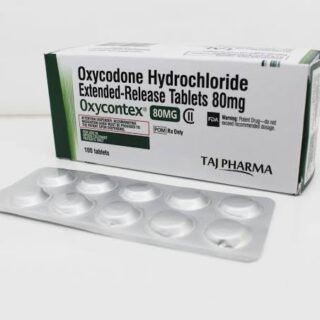
Oxycodone 80mg for sale
Price range: $300.00 through $900.00Select options This product has multiple variants. The options may be chosen on the product pageOxycodone 80mg for sale,medical information, approved uses, prescription requirements, safety precautions, potential side effects .
-
BUY OXYCODE 30MG ONLINE
Price range: $110.00 through $1,000.00Select options This product has multiple variants. The options may be chosen on the product pageBUY OXYCODE 30MG ONLINE, Oxycodone 30mg, its medical uses, prescription requirements, potential risks, side effects and safe .
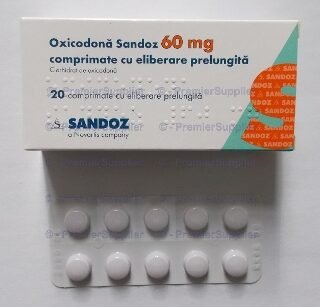
NEMBUTAL
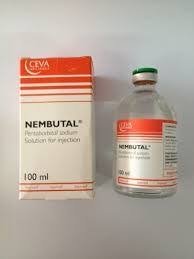
Nembutal is a brand name associated with pentobarbital sodium, a medication belonging to the barbiturate class. Barbiturates act on the central nervous system and can produce profound sedation and respiratory depression. Because of its potency, pentobarbital requires careful medical and regulatory oversight. Patients, caregivers, healthcare professionals, and pharmaceutical buyers should understand its risks before considering any product associated with this substance.
Read More


Reviews
There are no reviews yet.