
Popular
-
 Suspendisse gravida lacus varius
Original price was: $33.00.$22.00Current price is: $22.00.
-
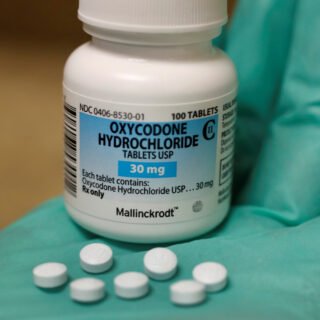 BUY OXYCODE 30MG ONLINE
Price range: $110.00 through $1,000.00
-
 BUY MEPERIDINE INJECTION ONLINE
Price range: $170.00 through $280.00
-
 Suspendisse volutpat massa
$39.00
-
 FENTANYL FOR SALE ONLINE
Price range: $190.00 through $1,500.00
](https://emipharmas.com/wp-content/uploads/2026/10/ok-30.jpg)
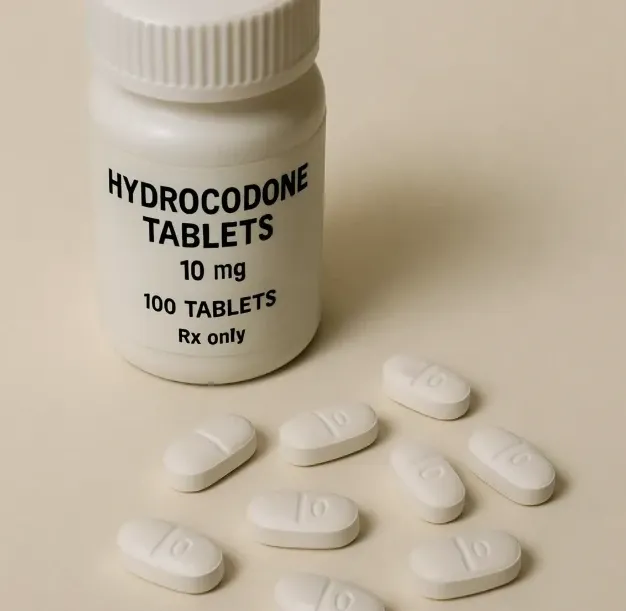
BUY HYDROCODONE 10MG ONLINE
Price range: $90.00 through $360.00
BUY HYDROCODONE 10MG ONLINE, its medical uses, prescription requirements, potential side effects, drug interactions and essential safety.
BUY HYDROCODONE 10MG ONLINE
Hydrocodone 10mg: Medical Uses, Prescription Requirements
Table of Contents
- Introduction to Hydrocodone 10mg
- What Is Hydrocodone?
- Understanding Hydrocodone 10mg
- Medical Uses of Hydrocodone
- How Hydrocodone Works
- Prescription Requirements and Pharmacy Regulations
- Hydrocodone Side Effects
- Important Drug Interactions
- Hydrocodone and Percocet 5mg: Understanding the Difference
- Percocet 5mg Interactions With Other Drugs
- Opioid Safety and Overdose Prevention
- International Pharmaceutical Regulations
- Responsible Pharmacy Practices at EmiPharmas
- Frequently Asked Questions
- Conclusion
1. Introduction to Hydrocodone 10mg
Pain management is an important part of modern healthcare. Different medical conditions, injuries and surgical procedures can produce pain that affects mobility, sleep, physical activity and overall quality of life.
Healthcare professionals have access to several categories of pain-management medication. These include non-opioid medicines, anti-inflammatory medications and, in selected circumstances, prescription opioid analgesics.
Hydrocodone belongs to the opioid medication category. It is prescribed for certain patients experiencing pain that requires opioid treatment after a qualified healthcare professional has evaluated the patient’s medical condition.
Hydrocodone 10mg is a strength designation, not a recommendation for self-medication. The correct medicine, formulation and treatment plan must be determined by a licensed prescriber.
For pharmaceutical businesses, providing reliable educational information is essential. Patients need to understand what a medicine does, its potential risks and why professional supervision matters.
EmiPharmas aims to make pharmaceutical information accessible through responsible medication education and appropriate healthcare guidance.
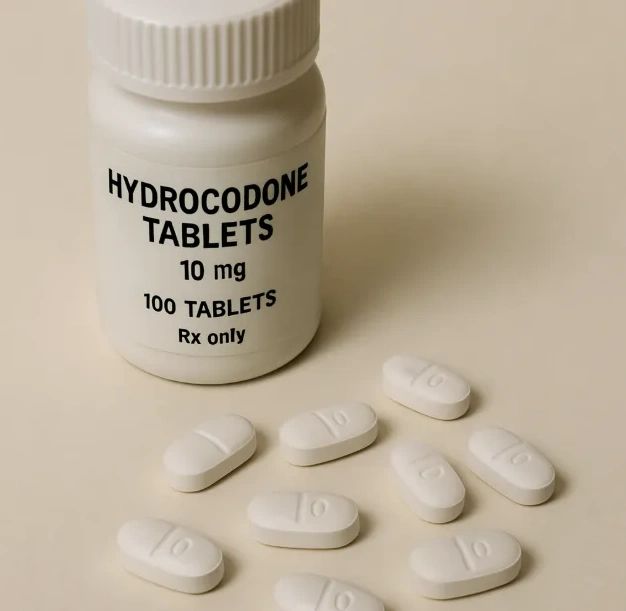
2. What Is Hydrocodone?
Hydrocodone is a semi-synthetic opioid analgesic. It acts on opioid receptors in the central nervous system to alter the body’s perception of pain.
It is available in different prescription formulations, including products containing hydrocodone alone and combination products containing additional ingredients.
The exact formulation is important because different products have different approved indications, strengths, precautions and instructions.
Hydrocodone is a controlled medication in several countries because it can cause physical dependence, addiction and potentially fatal respiratory depression.
It should never be obtained from an unverified online seller or used without an appropriate prescription.
3. Understanding Hydrocodone 10mg
The term Hydrocodone 10mg refers to a particular labelled strength of a hydrocodone-containing medication.
However, the number alone does not provide enough information to determine how a medicine should be used.
Patients and healthcare professionals must consider:
- The complete product formulation.
- Whether the product contains additional active ingredients.
- Immediate-release or extended-release characteristics.
- The patient’s medical history.
- Other prescription and non-prescription medications.
- Potential allergies and contraindications.
- Relevant national prescribing requirements.
Patients should never assume that two products carrying the same numerical strength are interchangeable.
A pharmacist can explain the differences between formulations and verify that the prescribed product matches the prescription.
4. Medical Uses of Hydrocodone
Hydrocodone-containing products are prescribed for selected pain-management situations.
Depending on the formulation and applicable national authorisation, these may include certain cases of moderate-to-severe pain.
The decision to prescribe an opioid involves evaluating several factors.
4.1 Assessment of Pain
A healthcare professional considers the cause, severity and duration of the patient’s pain.
They may also assess whether non-opioid treatments or other approaches are appropriate.
4.2 Individual Medical History
Existing medical conditions can affect the safety of opioid treatment.
Respiratory disorders, liver problems, sleep-related breathing disorders and a history of substance-use problems may require particular consideration.
4.3 Treatment Monitoring
Patients prescribed opioid medication require appropriate follow-up.
Healthcare professionals monitor treatment effectiveness, adverse effects, possible dependence and changes in the patient’s medical condition.
5. How Hydrocodone Works
Hydrocodone acts on opioid receptors within the central nervous system.
These receptors participate in the transmission and processing of pain signals.
When hydrocodone activates these receptors, it can change how the brain and nervous system perceive pain.
However, opioid receptor activity also affects other body functions.
Potential effects include:
- Drowsiness.
- Reduced alertness.
- Constipation.
- Nausea.
- Respiratory depression.
- Physical dependence.
Respiratory depression is particularly serious because it can reduce the amount of oxygen reaching vital organs.
This is one reason opioid medicines require careful prescribing and monitoring.
6. Prescription Requirements and Pharmacy Regulations
Hydrocodone is subject to controlled-medicine regulations.
The specific legal requirements differ between countries and may include prescription verification, special dispensing procedures, recordkeeping and restrictions on importation or exportation.
A legitimate pharmaceutical provider should never encourage patients to bypass these requirements.
Before obtaining any controlled medication, patients should:
- Consult a qualified healthcare professional.
- Obtain a valid prescription where required.
- Verify that the dispensing pharmacy is properly licensed.
- Confirm the product’s manufacturer and formulation.
- Review the patient information leaflet.
- Follow applicable local dispensing and importation laws.
An online pharmacy should not claim that controlled medication can be supplied legally to every country without considering local legislation.
7. Hydrocodone Side Effects
Like other prescription opioids, hydrocodone can produce adverse reactions.
The likelihood and seriousness of these effects depend on the formulation, individual health circumstances and other medicines being taken.
Commonly Reported Side Effects
Possible side effects include:
- Nausea.
- Vomiting.
- Constipation.
- Dizziness.
- Drowsiness.
- Headache.
- Dry mouth.
- Light-headedness.
Patients should discuss persistent or concerning symptoms with their healthcare professional.
Serious Side Effects
More serious complications can include:
- Severe respiratory depression.
- Profound sedation.
- Loss of consciousness.
- Severe allergic reactions.
- Opioid overdose.
- Physical dependence.
Difficulty breathing, inability to wake a person or suspected overdose requires immediate emergency medical assistance.
8. Important Hydrocodone Drug Interactions
Drug interactions are an important consideration when evaluating opioid treatment.
Some medications can increase opioid concentrations, while others can produce additive sedative effects.
Patients should provide their healthcare professionals with a complete list of medicines, supplements and substances they use.
8.1 Benzodiazepines
Benzodiazepines are medications commonly prescribed for certain anxiety disorders, seizures and other medical conditions.
Combining opioids with benzodiazepines can significantly increase sedation and respiratory depression.
8.2 Alcohol
Alcohol can intensify the central nervous system depressant effects of opioid medication.
Combining alcohol with hydrocodone can increase the risk of dangerous sedation, breathing difficulties, unconsciousness and death.
Patients should avoid alcohol while using opioid medication unless their prescriber provides specific medical guidance.
8.3 Sleeping Medications
Prescription sleeping medicines and other sedatives can increase the risk of excessive sedation when combined with opioids.
Patients should discuss all sleep medications with their prescriber.
8.4 Other Opioids
Combining hydrocodone with another opioid can increase opioid exposure and the risk of overdose.
Patients should not combine opioid medications unless specifically directed and monitored by their healthcare professional.
8.5 Gabapentin and Pregabalin
These medicines are used for certain neurological conditions and other indications.
When combined with opioids, they can increase the risk of sedation and respiratory depression.
8.6 Medicines Affecting Drug Metabolism
Some medicines affect enzymes responsible for metabolising opioids.
For example, certain CYP3A4 inhibitors can increase hydrocodone exposure, while enzyme-inducing medicines may alter its effects.
A pharmacist should review potential interactions before treatment begins.
9. Hydrocodone and Percocet 5mg: Understanding the Difference
Hydrocodone and Percocet are not the same medication.
Hydrocodone is an opioid analgesic.
Percocet is a combination prescription medication containing oxycodone and acetaminophen (paracetamol).
Both belong to the opioid category, but they contain different active ingredients.
Their clinical characteristics, approved formulations, contraindications and interaction profiles are not identical.
Patients should never substitute one medicine for another based only on perceived pain-relief strength.
A qualified prescriber must determine whether either medication is appropriate.
10. Percocet 5mg Interactions With Other Drugs
Percocet 5mg contains oxycodone and acetaminophen.
Its interaction profile includes risks associated with both active ingredients.
10.1 Alcohol
Alcohol can increase the sedative effects of oxycodone.
It can also increase the risk of serious acetaminophen-related liver injury in certain circumstances, particularly with excessive or prolonged exposure.
10.2 Benzodiazepines
Combining Percocet with benzodiazepines can cause profound sedation, respiratory depression, coma and death.
10.3 Other Central Nervous System Depressants
Other substances that can increase sedation include:
- Sleeping medications.
- Certain muscle relaxants.
- Other opioid medications.
- Some antipsychotic medicines.
- Gabapentin.
- Pregabalin.
- Certain anxiety medications.
10.4 CYP3A4 Inhibitors
Some antibiotics, antifungal medications and antiviral medicines inhibit CYP3A4.
Examples include erythromycin, ketoconazole and ritonavir.
These medicines can increase oxycodone concentrations and potentially intensify opioid effects.
10.5 Other Acetaminophen-Containing Medicines
Percocet already contains acetaminophen.
Taking additional products containing acetaminophen without professional guidance can result in excessive total exposure and serious liver injury.
10.6 Serotonergic Medicines
Some antidepressants and other medicines affecting serotonin can contribute to serotonin syndrome when combined with certain opioids.
Patients should have their complete medication list reviewed by a qualified healthcare professional.
Important: Never discontinue prescribed medication or make changes to an opioid treatment plan without consulting the prescriber.
11. Opioid Safety and Overdose Prevention
Opioid safety involves more than following the prescription instructions.
Patients and caregivers should understand the warning signs of overdose.
Recognising an Opioid Overdose
Potential warning signs include:
- Very slow or shallow breathing.
- Unresponsiveness.
- Unusual snoring or choking sounds.
- Extremely small pupils.
- Limpness.
- Blue or grey lips and fingertips.
An overdose is a medical emergency.
What to Do
If an opioid overdose is suspected:
- Contact local emergency medical services immediately.
- Administer naloxone if available and appropriate.
- Follow emergency dispatcher instructions.
- Provide rescue breathing or CPR if trained and directed.
- Remain with the affected person until medical assistance arrives.
Naloxone can temporarily reverse opioid overdose, but emergency medical care remains essential.
Safe Storage
Prescription opioids should be stored securely, away from children, visitors and anyone for whom the medication was not prescribed.
Unused medication should be disposed of through an authorised medication take-back or disposal programme.
12. International Pharmaceutical Regulations
Prescription opioid regulations differ significantly around the world.
A medicine that is available under prescription in one country may be subject to different restrictions elsewhere.
Hydrocodone in Australia
Australia regulates opioid medicines through its national and state or territory medicines-control frameworks.
Patients must comply with applicable prescription and dispensing requirements.
Hydrocodone in Asia
Asian countries have different pharmaceutical regulatory systems.
Patients should consult their national medicines regulator and licensed healthcare professionals before obtaining controlled medication.
Hydrocodone in the Caribbean
Caribbean jurisdictions have individual controlled-medicine and importation requirements.
Prescription verification and local authorisation are important.
Hydrocodone in Europe
European countries regulate controlled medicines through national legislation and applicable international agreements.
Prescription recognition and cross-border medicine transport requirements vary.
Hydrocodone in Africa
African countries have their own pharmaceutical authorities and controlled-medicine legislation.
Patients should obtain medication through appropriately authorised local healthcare channels.
Hydrocodone in Canada
Canada regulates controlled substances under federal legislation and related provincial and territorial dispensing requirements.
Hydrocodone in Central America
Patients should verify local registration, prescription and importation requirements before obtaining any controlled medication.
Hydrocodone in Oceania
Different countries across Oceania apply different rules for controlled medicines.
Hydrocodone in the Philippines
The Philippines has national medicines regulation and controlled-substance requirements. Patients should consult authorised healthcare professionals and the relevant national regulator.
Hydrocodone in South America
South American countries have individual pharmaceutical registration, prescribing and controlled-medicine frameworks.
International shipping does not automatically make a controlled medicine legal to import.
13. Responsible Pharmacy Practices at EmiPharmas
A responsible pharmaceutical information provider should prioritise patient safety, product transparency and legal compliance.
EmiPharmas can support informed healthcare decisions by publishing reliable information about prescription medicines and appropriate pharmaceutical practices.
Important principles include:
Product Transparency
Patients should be able to identify active ingredients, formulation, manufacturer and relevant product information.
Prescription Verification
Controlled medicines must be handled according to the applicable legal prescription requirements.
Patient Education
Clear educational information helps patients understand possible adverse reactions, interactions and storage requirements.
Professional Guidance
Medication questions should be directed to qualified healthcare professionals.
Regulatory Compliance
Pharmaceutical providers must follow applicable national and international requirements for medicine handling, dispensing and distribution.
Official website: https://emipharmas.com/
14. Frequently Asked Questions (FAQs)
1. What is Hydrocodone 10mg?
Hydrocodone 10mg refers to a labelled strength of a prescription opioid medication. The complete formulation must be checked because products may contain additional active ingredients.
2. Is Hydrocodone a prescription medication?
Yes. Hydrocodone is a controlled prescription medicine in several jurisdictions and must be obtained in accordance with applicable local regulations.
3. What is Hydrocodone used for?
Certain hydrocodone formulations are used to manage pain severe enough to require opioid treatment when alternative treatments are inadequate.
4. Can Hydrocodone cause dependence?
Yes. Physical dependence and opioid use disorder are recognised risks.
5. Can Hydrocodone be combined with alcohol?
Alcohol can increase the risk of sedation and life-threatening respiratory depression. Patients should avoid this combination.
6. Is Hydrocodone the same as Percocet?
No. Hydrocodone is a different opioid from oxycodone, the opioid ingredient in Percocet.
7. What ingredients are in Percocet 5mg?
Percocet contains oxycodone and acetaminophen.
8. Can Percocet interact with sleeping medication?
Yes. Some sleeping medications can increase sedation and respiratory depression when combined with oxycodone.
9. Can Hydrocodone be imported internationally?
Importation rules vary by country. Patients must verify the applicable controlled-medicine and importation requirements before transporting or importing medication.
10. What should patients do if they suspect an overdose?
Contact emergency medical services immediately. Administer naloxone if available and appropriate, and follow emergency instructions.
15. Conclusion
Hydrocodone 10mg is a prescription opioid medication that requires careful medical evaluation, appropriate prescribing and responsible handling.
Understanding its medical applications, potential side effects, drug interactions and regulatory requirements is essential for patients, healthcare professionals and pharmaceutical providers.
The same principles apply to other opioid medicines, including Percocet 5mg.
EmiPharmas can build trust with its audience by publishing accurate pharmaceutical information, encouraging appropriate medical consultations and supporting responsible access to authorised prescription medicines.
| QUANTITY | 5mg/300mg:100 PILL, 7.5mg/300mg:90 PILL, 10mg/300mg:120 PILLS, 7.5mg/325mg:90 PILLS, 10mg/325mg:120 PILLS |
|---|
Related products
-
BUY MEPERIDINE PILLS ONLINE
Price range: $900.00 through $1,000.00Select options This product has multiple variants. The options may be chosen on the product pageBUY MEPERIDINE PILLS ONLINE, their medical uses, potential side effects, opioid safety precautions, drug interactions and the importance.
-
BUY MEPERIDINE SYRUP ONLINE
Price range: $180.00 through $370.00Select options This product has multiple variants. The options may be chosen on the product pageBUY MEPERIDINE SYRUP ONLINE, medical uses, prescription requirements, potential side effects, safety precautions.
-

VICODINE FOR SALE ONLINE
$45.00Add to cartVICODINE FOR SALE ONLINE, hydrocodone and acetaminophen, prescription requirements, medication risks, drug interactions and safe online.
-
BUY OXYCODE 30MG ONLINE
Price range: $110.00 through $1,000.00Select options This product has multiple variants. The options may be chosen on the product pageBUY OXYCODE 30MG ONLINE, Oxycodone 30mg, its medical uses, prescription requirements, potential risks, side effects and safe .
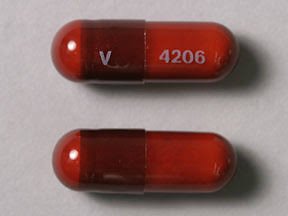
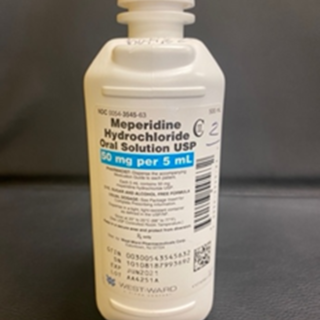
NEMBUTAL
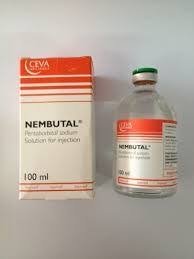
Nembutal is a brand name associated with pentobarbital sodium, a medication belonging to the barbiturate class. Barbiturates act on the central nervous system and can produce profound sedation and respiratory depression. Because of its potency, pentobarbital requires careful medical and regulatory oversight. Patients, caregivers, healthcare professionals, and pharmaceutical buyers should understand its risks before considering any product associated with this substance.
Read More



Reviews
There are no reviews yet.