
Popular
-
 Suspendisse gravida lacus varius
Original price was: $33.00.$22.00Current price is: $22.00.
-
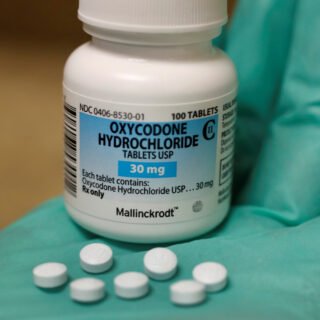 BUY OXYCODE 30MG ONLINE
Price range: $110.00 through $1,000.00
-
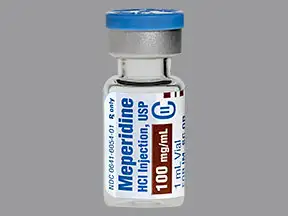 BUY MEPERIDINE INJECTION ONLINE
Price range: $170.00 through $280.00
-
 Suspendisse volutpat massa
$39.00
-
 FENTANYL FOR SALE ONLINE
Price range: $190.00 through $1,500.00
](https://emipharmas.com/wp-content/uploads/2026/10/ok-30.jpg)

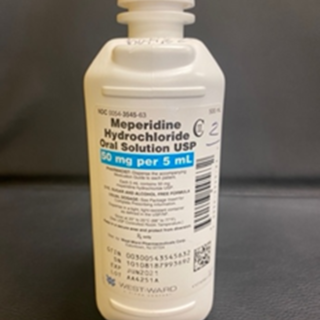
BUY MEPERIDINE SYRUP ONLINE
Price range: $180.00 through $370.00
BUY MEPERIDINE SYRUP ONLINE, medical uses, prescription requirements, potential side effects, safety precautions.
BUY MEPERIDINE SYRUP ONLINE
Table of Contents
-
Introduction to Meperidine
-
What Is Meperidine?
-
Understanding Meperidine Syrup
-
Medical Uses of Meperidine
-
How Meperidine Works
-
Meperidine Side Effects
-
Serious Health Risks
-
Meperidine Drug Interactions
-
Meperidine and Percocet 5 mg
-
Prescription Requirements Around the World
-
Meperidine in Australia
-
Meperidine in Asia
-
Meperidine in the Caribbean
-
Meperidine in Europe
-
Meperidine in Africa
-
Meperidine in Canada
-
Meperidine in Central America
-
Meperidine in Oceania
-
Meperidine in the Philippines
-
Meperidine in South America
-
Frequently Asked Questions
-
Conclusion
H1: Introduction to Meperidine
Meperidine, commonly known by the alternative name pethidine, is an opioid analgesic that has been used in medical settings to manage certain forms of moderate to severe pain.
As a prescription opioid, meperidine requires particular attention from healthcare professionals. Its effects on the central nervous system can reduce the perception of pain, but the same mechanism can also produce dangerous adverse reactions.
Understanding meperidine involves more than knowing its intended medical purpose. Patients, caregivers, healthcare professionals and pharmaceutical information providers should understand its potential side effects, interactions, safety considerations and regulatory requirements.
For pharmaceutical information websites such as EmiPharmas, providing accurate and responsible educational material is essential. Patients should be encouraged to seek professional advice rather than relying on online product descriptions to make decisions about opioid treatment.
H2: What Is Meperidine?
Meperidine is a synthetic opioid medication. It belongs to a group of medicines that act on opioid receptors in the brain and nervous system.
It has historically been prescribed for pain associated with certain medical conditions and procedures.
Meperidine is also known as:
-
Pethidine
-
Meperidine hydrochloride
-
Pethidine hydrochloride
The medication changes how the brain and nervous system respond to pain signals. Although it can provide analgesic effects, it also carries important risks.
H3: Classification of Meperidine
Meperidine belongs to the opioid analgesic class.
Opioids require careful prescribing because their effects may include:
-
Sedation.
-
Dizziness.
-
Nausea.
-
Constipation.
-
Respiratory depression.
-
Physical dependence.
-
Opioid use disorder.
Patients should never change their prescribed treatment without consulting their healthcare provider.
H2: Understanding Meperidine Syrup
Liquid pharmaceutical formulations are designed to provide medication in a liquid form. However, the availability, concentration, approved indications and suitability of any meperidine liquid formulation depend on the country and applicable pharmaceutical regulations.
Patients should not assume that a syrup formulation is routinely available or approved in their country.
A healthcare professional or registered pharmacist can confirm whether a particular formulation is authorised and appropriate.
H3: Important formulation considerations
Before using any liquid prescription medication, patients should understand:
-
The approved formulation.
-
The labelled concentration.
-
The prescribed administration instructions.
-
Storage requirements.
-
Expiry information.
-
Potential interactions.
-
Patient-specific contraindications.
Never use an unlabelled liquid medicine or a product obtained from an unverified online seller.
H2: Medical Uses of Meperidine
Meperidine has historically been used in selected medical circumstances involving pain management.
Its use has declined in many healthcare settings because other opioids and non-opioid treatments may offer more favourable safety profiles.
Healthcare professionals consider several factors before prescribing an opioid.
These include:
-
The nature of the patient’s pain.
-
The patient’s medical history.
-
Existing medications.
-
Previous opioid exposure.
-
Respiratory health.
-
Kidney and liver function.
-
The availability of safer alternatives.
H3: Why medical supervision matters
Meperidine can cause serious adverse effects, particularly when taken incorrectly or combined with other medicines that suppress the central nervous system.
Professional supervision helps identify contraindications and reduce preventable medication-related harm.
H2: How Meperidine Works in the Body
Meperidine acts primarily on mu-opioid receptors.
These receptors are involved in pain perception and several other nervous-system functions.
When opioid receptors are activated, the transmission and interpretation of pain signals change.
However, opioid receptor activity also affects breathing, alertness and gastrointestinal function.
This explains why meperidine may cause both pain relief and potentially dangerous side effects.
H2: Meperidine Side Effects
Like other opioid medicines, meperidine can produce adverse reactions.
Commonly reported effects include:
-
Nausea.
-
Vomiting.
-
Dizziness.
-
Drowsiness.
-
Sweating.
-
Constipation.
-
Dry mouth.
-
Confusion.
The severity of these effects varies between individuals.
H3: Serious adverse reactions
More serious reactions can include:
-
Slow or shallow breathing.
-
Severe sedation.
-
Low blood pressure.
-
Seizures.
-
Loss of consciousness.
-
Severe allergic reactions.
Emergency warning: If someone taking an opioid becomes difficult to wake, develops slow or irregular breathing, or loses consciousness, seek emergency medical assistance immediately. Naloxone can reverse opioid overdose and should be administered when available by someone able to use it.
H2: Meperidine Drug Interactions
Drug interactions are among the most important considerations when evaluating opioid safety.
Meperidine can interact with medicines that affect the central nervous system and certain metabolic pathways.
H3: Antidepressants and MAO inhibitors
Combining meperidine with monoamine oxidase inhibitors (MAOIs) is contraindicated because it can produce severe and potentially fatal reactions.
These reactions may include:
-
Severe agitation.
-
High fever.
-
Muscle rigidity.
-
Changes in blood pressure.
-
Serotonin toxicity.
-
Respiratory complications.
Other serotonergic medications can also increase the risk of serotonin syndrome.
H3: Benzodiazepines
Combining opioids with benzodiazepines can increase sedation and respiratory depression.
Examples include diazepam, alprazolam and lorazepam.
Such combinations require particular caution and should only occur when specifically assessed and managed by a qualified prescriber.
H3: Alcohol
Alcohol can intensify the sedating effects of opioids.
Combining alcohol with meperidine may increase the risk of:
-
Severe drowsiness.
-
Impaired coordination.
-
Respiratory depression.
-
Loss of consciousness.
-
Fatal overdose.
Patients should avoid alcohol while using meperidine unless their healthcare professional provides specific advice.
H2: Percocet 5 mg and Meperidine: Important Interaction Information
Percocet 5 mg contains oxycodone, an opioid analgesic, combined with acetaminophen (paracetamol).
Both oxycodone and meperidine are opioids.
Using them together can increase opioid-related adverse effects, particularly:
-
Respiratory depression.
-
Excessive sedation.
-
Confusion.
-
Dizziness.
-
Loss of consciousness.
-
Fatal overdose.
Patients should not combine Percocet 5 mg and meperidine unless a specialist has explicitly assessed and directed their treatment.
Taking multiple opioid medicines does not automatically improve pain management and can significantly increase the risk of harm.
H3: Important acetaminophen considerations
Percocet also contains acetaminophen.
Taking additional medicines containing acetaminophen can result in excessive total exposure and serious liver damage.
Patients should review all prescription and non-prescription medications with their pharmacist.
H2: Meperidine Prescription Requirements Around the World
The availability and regulation of meperidine differ between countries.
Because it is an opioid, it is subject to controlled-medicine legislation in many jurisdictions.
Online pharmacies must comply with applicable prescription, licensing, dispensing and importation requirements.
H3: Australia
Australia regulates opioid medicines under federal and state or territory legislation.
Patients researching meperidine in Australia should consult registered healthcare professionals and authorised pharmacies.
Related informational search phrase: Meperidine prescription information Australia.
H3: Asia
Asian countries have different pharmaceutical regulatory systems.
Patients should verify the legal status of any opioid medicine with their national medicines regulator.
Related informational search phrase: Meperidine medical information Asia.
H3: Caribbean
Caribbean countries maintain individual medicine-control and importation requirements.
Patients should consult licensed local healthcare providers before considering any prescription opioid.
Related informational search phrase: Meperidine prescription guidance Caribbean.
H3: Europe
European countries regulate opioid medicines through national medicines legislation and applicable European pharmaceutical frameworks.
Patients should use authorised pharmacies and follow local prescription requirements.
Related informational search phrase: Meperidine safety information Europe.
H3: Africa
African countries have different controlled-medicine regulations and pharmaceutical distribution systems.
Patients should obtain prescription medicines through authorised healthcare facilities and registered pharmacies.
Related informational search phrase: Meperidine medical information Africa.
H3: Canada
Canada regulates controlled substances under federal legislation.
Patients should obtain prescription opioid medicines through authorised Canadian healthcare providers and pharmacies.
Related informational search phrase: Meperidine prescription requirements Canada.
H3: Central America
Central American countries maintain individual pharmaceutical registration and controlled-medicine requirements.
Patients should verify medicine authorisation through the appropriate national health authority.
H3: Oceania
Oceania includes several countries with different pharmaceutical control systems.
Patients should consult local regulators and qualified pharmacists before using opioid medicines.
H3: Philippines
The Philippines regulates controlled medicines through its national pharmaceutical and dangerous-drugs frameworks.
Patients should verify prescription requirements through the relevant authorities and licensed healthcare providers.
H3: South America
South American countries maintain different national pharmaceutical regulations.
Patients should confirm whether a medication is registered and legally available before seeking treatment.
H2: How to Identify a Licensed Online Pharmacy
A legitimate online pharmacy should provide verifiable information about its legal status.
Before obtaining prescription medicine online, check:
-
Whether the pharmacy has a valid licence.
-
Whether it identifies its responsible pharmacist.
-
Whether it requires valid prescriptions where applicable.
-
Whether its contact information is genuine.
-
Whether its products have appropriate regulatory authorisation.
-
Whether it provides professional medication counselling.
-
Whether it follows applicable privacy and patient-safety requirements.
Avoid websites promising unrestricted access to controlled medicines without prescriptions.
H2: Frequently Asked Questions
1. What is meperidine?
Meperidine is a synthetic opioid analgesic historically used for certain types of moderate to severe pain.
2. Is meperidine the same as pethidine?
Yes. Meperidine and pethidine are two names for the same medication.
3. Is meperidine a prescription medicine?
Yes. It is a controlled prescription opioid in many jurisdictions.
4. Is meperidine syrup available everywhere?
No. Formulations and regulatory approval differ between countries. Patients should consult local healthcare professionals.
5. Can meperidine cause addiction?
Yes. Meperidine can cause physical dependence and opioid use disorder.
6. Can meperidine affect breathing?
Yes. Respiratory depression is one of its most serious potential adverse effects.
7. Can meperidine be combined with Percocet 5 mg?
Combining the two can cause dangerous opioid toxicity, including respiratory depression and overdose. They should not be combined without explicit specialist supervision.
8. Can alcohol be consumed with meperidine?
Alcohol should be avoided because it can intensify sedation and respiratory depression.
9. What should someone do if an opioid overdose is suspected?
Contact emergency services immediately. Administer naloxone if available and follow emergency instructions.
10. How can patients verify an online pharmacy?
Patients should check its registration, licensing, prescription procedures and regulatory authorisation.
H2: Conclusion
Meperidine is a potent opioid medicine that requires careful medical assessment and responsible prescribing.
Although it has historically been used in pain management, its potential for dependence, respiratory depression, neurological complications and dangerous drug interactions makes professional supervision essential.
For EmiPharmas, providing transparent pharmaceutical information, promoting patient safety and directing consumers towards qualified healthcare professionals can help establish trust and credibility.
Patients in Australia, Asia, the Caribbean, Europe, Africa, Canada, Central America, Oceania, the Philippines and South America should always follow their local prescription and controlled-medicine requirements.
Meperidine (Pethidine): Possible Side Effects and Safety Characteristics
Meperidine, also known as pethidine, is a potent opioid analgesic used in selected medical circumstances to manage pain. It acts on the central nervous system and can cause pain relief, sedation and other physiological effects.
Although it has legitimate medical applications, meperidine carries significant safety risks. Its use requires a valid prescription, careful medical assessment and appropriate monitoring.
1. Possible side effects of Meperidine
A. Common side effects
Some patients may experience:
-
Nausea and vomiting.
-
Dizziness and lightheadedness.
-
Drowsiness and sedation.
-
Dry mouth.
-
Constipation.
-
Weakness.
-
Flushing.
-
Itching.
These effects can vary depending on individual sensitivity, other medications and underlying health conditions
B. Serious side effects
More serious reactions may include:
-
Severe hypotension: Dangerously low blood pressure.
-
Seizures: Uncontrolled electrical activity in the brain.
-
Confusion: Disorientation or impaired awareness.
-
Hallucinations: Seeing or hearing things that are not present.
-
Cardiovascular complications: Changes in heart rate or circulation.
-
Severe allergic reactions: Including anaphylaxis.
These reactions require immediate medical attention.
2. Important safety characteristics
| Safety characteristic | Description |
|---|---|
| Drug classification | Opioid analgesic |
| Generic name | Meperidine |
| Alternative name | Pethidine |
| Dependence risk | Can cause physical dependence and addiction |
| Respiratory effects | Can suppress breathing |
| Nervous system effects | Can cause sedation and confusion |
| Cardiovascular effects | May lower blood pressure |
| Overdose risk | Potentially fatal |
| Medical supervision | Required |
| Prescription status | Controlled prescription medicine in many countries |
3. Serious drug interactions
Meperidine can interact dangerously with other medicines.
Alcohol: Can increase sedation and respiratory depression.
Benzodiazepines: Medicines such as diazepam and alprazolam can increase the risk of unconsciousness and breathing difficulties.
Antidepressants: Certain serotonergic medicines can increase the risk of serotonin syndrome.
MAO inhibitors: Combining meperidine with MAO inhibitors, or using it within 14 days of an MAOI, is contraindicated because severe and potentially fatal reactions can occur.
Percocet 5 mg: Contains oxycodone, another opioid. Combining it with meperidine can cause dangerous respiratory depression, sedation and overdose
4. Who should exercise particular caution?
Meperidine may be unsuitable or particularly dangerous for people with:
-
Existing respiratory problems.
-
Severe asthma.
-
Kidney impairment.
-
Liver impairment.
-
A history of seizures.
-
Certain gastrointestinal obstructions.
-
Previous opioid dependence.
-
Certain neurological conditions.
Pregnant or breastfeeding patients should seek specialist medical advice before any exposure.
5. Overdose warning signs
Signs of opioid overdose include:
-
Extremely slow or stopped breathing.
-
Inability to wake up.
-
Unconsciousness.
-
Very small pupils.
-
Blue or grey lips and fingertips.
If an overdose is suspected, contact emergency services immediately. Administer naloxone if available and follow emergency instructions. Do not wait for symptoms to improve.
6. Safe storage and handling
-
Keep medication in its original labelled packaging.
-
Store securely away from children and other unauthorised persons.
-
Never share prescription opioids.
-
Never use expired or unidentified medication.
| QUANTITY | 50 mg / 5 mL,500 mL bottle, 100 mg / 5 mL,500 mL bottle |
|---|
Related products
-
MORPHINE FOR SALE ONLINE
Price range: $170.00 through $600.00Select options This product has multiple variants. The options may be chosen on the product pageMORPHINE FOR SALE ONLINE, its medical uses, prescription requirements, opioid safety, drug interactions, side effects.
-
BUY MEPERIDINE PILLS ONLINE
Price range: $900.00 through $1,000.00Select options This product has multiple variants. The options may be chosen on the product pageBUY MEPERIDINE PILLS ONLINE, their medical uses, potential side effects, opioid safety precautions, drug interactions and the importance.
-
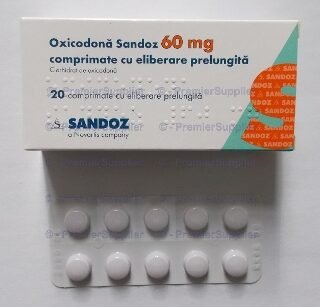
BUY OXYCODE 60MG ONLINE
Price range: $150.00 through $1,300.00Select options This product has multiple variants. The options may be chosen on the product pageBUY OXYCODE 60MG ONLINE, oxycodone 60mg, its medical uses, prescription requirements, potential side effects, opioid safety precautions.
-

VICODINE FOR SALE ONLINE
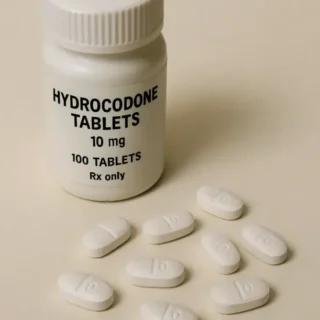
$45.00Add to cartVICODINE FOR SALE ONLINE, hydrocodone and acetaminophen, prescription requirements, medication risks, drug interactions and safe online.
NEMBUTAL
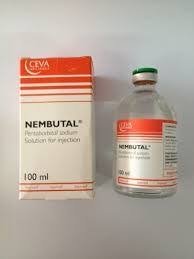
Nembutal is a brand name associated with pentobarbital sodium, a medication belonging to the barbiturate class. Barbiturates act on the central nervous system and can produce profound sedation and respiratory depression. Because of its potency, pentobarbital requires careful medical and regulatory oversight. Patients, caregivers, healthcare professionals, and pharmaceutical buyers should understand its risks before considering any product associated with this substance.
Read More

Reviews
There are no reviews yet.