
Popular
-
 Suspendisse gravida lacus varius
Original price was: $33.00.$22.00Current price is: $22.00.
-
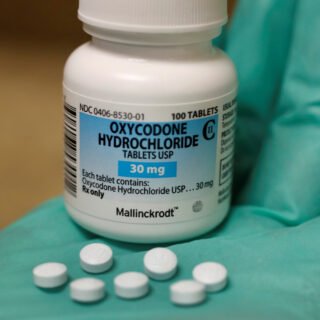 BUY OXYCODE 30MG ONLINE
Price range: $110.00 through $1,000.00
-
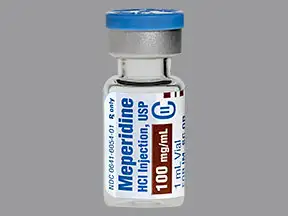 BUY MEPERIDINE INJECTION ONLINE
Price range: $170.00 through $280.00
-
 Suspendisse volutpat massa
$39.00
-
 FENTANYL FOR SALE ONLINE
Price range: $190.00 through $1,500.00
](https://emipharmas.com/wp-content/uploads/2026/10/ok-30.jpg)
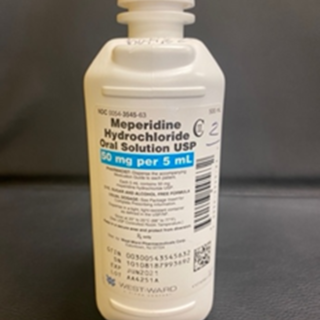
BUY MEPERIDINE INJECTION ONLINE
Price range: $170.00 through $280.00
BUY MEPERIDINE INJECTION ONLINE, its medical uses, opioid safety warnings, prescription requirements, drug interactions and storage.
BUY MEPERIDINE INJECTION ONLINE
Table of Contents
- Introduction to Meperidine Injection
- What Is Meperidine Injection?
- Understanding Meperidine Hydrochloride
- Medical Uses of Meperidine Injection
- How Meperidine Works in the Body
- Who May Require This Medication?
- Important Safety Information
- Meperidine Injection Side Effects
- Meperidine Injection and Drug Interactions
- Meperidine Injection and Percocet 5mg
- Medicines That Require Particular Caution
- Contraindications and Medical Precautions
- Prescription and Regulatory Requirements
- Meperidine Injection in Australia
- Meperidine Injection in Asia
- Meperidine Injection in the Caribbean
- Meperidine Injection in Europe
- Meperidine Injection in Africa
- Meperidine Injection in Canada
- Meperidine Injection in Central America
- Meperidine Injection in Oceania
- Meperidine Injection in the Philippines
- Meperidine Injection in South America
- Storage and Pharmaceutical Handling
- Responsible Pharmaceutical Information at EmiPharma
- Frequently Asked Questions
- Regulatory and Medical Information Enquiries
- Conclusion
- External Medical References
- SEO Tags
1. Introduction to Meperidine Injection
Understanding prescription medications is an important part of responsible healthcare. Patients, healthcare professionals, pharmacists and pharmaceutical organisations need reliable information before making decisions concerning medicines used in pain management.
Meperidine injection is a prescription opioid analgesic associated with the treatment of selected cases of severe pain. It is also used in certain clinical and procedural settings under professional supervision.
Although opioid medications can play an important role in modern medicine, they require special attention because of their potential to cause serious adverse effects. Meperidine is not an ordinary pain-relief product, and its injectable formulation requires particular care.
Anyone researching meperidine injection should understand its medical purpose, potential complications, contraindications, drug interactions and legal requirements.
For EmiPharma, providing responsible pharmaceutical information means helping readers understand these considerations rather than presenting a controlled prescription medication as an ordinary online retail product.
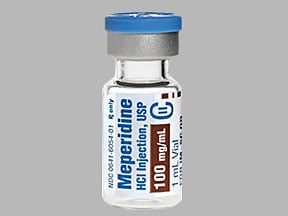
2. What Is Meperidine Injection?
Meperidine is an opioid analgesic. Its active pharmaceutical ingredient is meperidine hydrochloride.
The medication acts on opioid receptors in the central nervous system, changing how the brain and nervous system process pain signals.
Healthcare professionals may consider it in selected clinical circumstances when other pain-management options are unsuitable or insufficient.
Meperidine injection is available in sterile injectable formulations. Depending on the authorised product and jurisdiction, administration may be intravenous, intramuscular or subcutaneous.
The appropriate route, clinical setting and treatment decision must be determined by qualified medical personnel.
Important: Meperidine injection must never be self-administered or obtained from an unverified supplier. It is a controlled prescription medicine in the United States and is subject to different restrictions in other countries.
3. Understanding Meperidine Hydrochloride
Meperidine hydrochloride is the pharmaceutical salt form used in injectable preparations.
Its pharmacological activity is associated with opioid receptor activation, which produces analgesic effects.
However, meperidine also has a metabolite known as normeperidine. Accumulation of this metabolite can contribute to neurological toxicity, including seizures, particularly when the medication is used for prolonged periods or in patients with impaired elimination.
This is one reason healthcare professionals must carefully consider the patient’s medical history, kidney function, treatment duration and other medications.
A pharmaceutical assessment should consider:
- The reason the medication is being considered.
- Previous opioid exposure.
- Existing medical conditions.
- Other prescription and non-prescription medicines.
- Potential drug interactions.
- Patient age and general health.
- Kidney and liver function.
- The availability of appropriate monitoring and emergency support.

4. Medical Uses of Meperidine Injection
Meperidine injection has recognised medical applications in selected circumstances.
4.1 Management of Severe Pain
Healthcare professionals may consider meperidine for severe pain when alternative treatment options are inadequate, unsuitable or not tolerated.
The decision requires individual clinical assessment. Opioids are generally reserved for situations where their expected benefits justify their risks.
4.2 Medical and Surgical Procedures
Meperidine may be used in selected procedural settings where opioid analgesia is considered appropriate.
The clinical team must evaluate the patient’s condition, medical history and potential complications before administration.
4.3 Obstetrical and Perioperative Settings
Certain authorised prescribing information includes applications involving obstetrical analgesia, preoperative medication and support of anaesthesia.
Its suitability depends on the clinical circumstances and the applicable product information.

4.4 Professional Medical Supervision
Because of the potential for rapid and serious complications, injectable opioid medications require appropriate professional oversight.
The medication should not be used as a substitute for medical assessment or as an independently selected treatment for unexplained pain.
5. How Meperidine Works in the Body
Meperidine acts on the central nervous system through opioid receptors.
These receptors influence pain transmission and perception. When activated by an opioid medication, they can reduce the intensity of pain experienced by the patient.
However, opioid receptors also influence other important bodily functions, including breathing, alertness and gastrointestinal activity.
This explains why opioid treatment can cause:
- Drowsiness.
- Sedation.
- Constipation.
- Nausea.
- Reduced respiratory drive.
- Physical dependence.
- Potential overdose.
The therapeutic effects and adverse effects are related to the same underlying pharmacological activity.
Consequently, the use of meperidine requires careful evaluation rather than simply considering its ability to relieve pain.
6. Who May Require This Medication?
Meperidine injection is intended for specific clinical situations assessed by qualified healthcare professionals.
A doctor may evaluate whether an opioid analgesic is appropriate after considering:
- The severity and cause of pain.
- The patient’s previous response to pain medication.
- Other available treatments.
- Respiratory health.
- Neurological conditions.
- Kidney and liver function.
- Current prescription medicines.
- The risk of opioid misuse or dependence.
Not every patient with severe pain is an appropriate candidate for meperidine.
A medical professional must determine whether its potential benefits outweigh the risks and whether another treatment would be safer.
7. Important Safety Information
<PRIVATE_PERSON> Meperidine injection carries serious opioid-related safety risks. Its use requires professional assessment and monitoring.
7.1 Respiratory Depression
Respiratory depression is among the most important risks associated with opioid medication.
It occurs when breathing becomes abnormally slow, shallow or inadequate.
Severe respiratory depression can lead to unconsciousness, respiratory arrest and death.
Risk may be increased when treatment begins, when doses are changed or when other medicines that suppress the central nervous system are used.
7.2 Dependence and Misuse
Repeated exposure to opioids can result in physical dependence.
Misuse may lead to addiction, overdose and other serious health consequences.
Patients should follow their prescribing instructions and discuss concerns about dependence with their healthcare professionals.
7.3 Neurological Toxicity
Normeperidine, a metabolite of meperidine, can accumulate and cause neurological complications.
Possible symptoms include tremors, agitation, confusion and seizures.
7.4 Sedation and Reduced Alertness
Meperidine can cause drowsiness, dizziness and impaired judgement.
Patients should follow medical advice concerning activities that require alertness.
7.5 Emergency Warning Signs
Seek emergency medical attention if a person receiving an opioid develops:
- Extremely slow or difficult breathing.
- Unresponsiveness.
- Severe confusion.
- Blue or grey lips.
- Collapse.
- Seizures.
If an opioid overdose is suspected, emergency services should be contacted immediately. Naloxone may be used by trained or appropriately instructed responders where available, but emergency medical assistance remains essential.
8. Meperidine Injection Side Effects
Side effects vary between individuals and depend on several clinical factors.
Commonly reported effects can include:
- Nausea.
- Vomiting.
- Sweating.
- Dizziness.
- Drowsiness.
- Constipation.
- Light-headedness.
- Injection-site discomfort.
More serious adverse effects include respiratory depression, severe hypotension, seizures, serotonin syndrome and opioid overdose.
Patients should communicate unexpected symptoms to their healthcare providers.
Severe breathing difficulties, loss of consciousness or suspected overdose require immediate emergency assistance.
9. Meperidine Injection and Drug Interactions
Drug interactions are an important consideration whenever meperidine injection is prescribed.
Certain medicines can increase sedation, affect breathing, alter meperidine concentrations or increase the likelihood of neurological complications.
A complete medication review should include prescription medicines, over-the-counter products, herbal preparations and supplements.
9.1 Benzodiazepines
Benzodiazepines are central nervous system depressants.
Combining them with opioids can increase the risk of profound sedation, respiratory depression, coma and death.
9.2 Alcohol
Alcohol can intensify opioid-related sedation and respiratory suppression.
Patients receiving meperidine should avoid alcohol and follow their healthcare professional’s instructions.
9.3 Antidepressants
Certain antidepressants and other serotonergic medicines can increase the risk of serotonin syndrome when used with meperidine.
Potential warning signs include agitation, fever, sweating, tremors, muscle stiffness, confusion and rapid heartbeat.
9.4 Monoamine Oxidase Inhibitors
Meperidine has a particularly serious interaction with monoamine oxidase inhibitors (MAOIs).
The combination, including use within the relevant prohibited period after stopping an MAOI, can cause severe and potentially fatal reactions.
Current prescribing information identifies concurrent MAOI use and recent use within 14 days as contraindications.
9.5 Other Opioids
Combining meperidine with another opioid can increase the overall opioid burden and the risk of dangerous sedation and respiratory depression.
A healthcare professional must review all opioid medications before making a treatment decision.
10. Meperidine Injection and Percocet 5mg
Percocet 5mg is a prescription medication containing oxycodone and acetaminophen.
Oxycodone is an opioid analgesic, while acetaminophen is a non-opioid pain reliever.
Meperidine and oxycodone both have opioid activity. Therefore, using them together can increase the risk of excessive sedation and respiratory depression.
Potential complications include:
- Severe drowsiness.
- Reduced breathing.
- Loss of consciousness.
- Opioid overdose.
- Potentially fatal respiratory complications.
The presence of acetaminophen in Percocet does not remove the opioid-related risks associated with oxycodone.
Patients should never combine meperidine injection and Percocet 5mg without an explicit clinical decision by a qualified healthcare professional.
The same principle applies to other prescription pain medications. A doctor or pharmacist should review the complete medication list before treatment.
Important: Do not independently substitute one opioid for another, combine opioid medications or change an existing treatment plan.
11. Medicines That Require Particular Caution
Healthcare professionals should pay particular attention to the following medication categories:
| Medication category | Potential concern |
|---|---|
| Benzodiazepines | Increased sedation and respiratory depression |
| Other opioids | Additive opioid effects and overdose risk |
| Alcohol | Increased central nervous system depression |
| MAO inhibitors | Potentially severe or fatal reactions |
| Serotonergic medicines | Risk of serotonin syndrome |
| Muscle relaxants | Increased respiratory depression |
| Anticholinergic medicines | Urinary retention and severe constipation |
| Certain enzyme inhibitors | Altered meperidine exposure |
This table is not a complete interaction list. The product’s current official prescribing information should be consulted by the treating professional.
12. Contraindications and Medical Precautions
Meperidine may be unsuitable for patients with particular medical conditions.
Important considerations include:
- Significant respiratory depression.
- Severe or uncontrolled respiratory disease.
- Known hypersensitivity to the medicine.
- Gastrointestinal obstruction.
- Recent or current MAOI treatment.
- Conditions associated with increased seizure risk.
- Significant kidney impairment.
- Significant liver impairment.
- Pregnancy and breastfeeding considerations.
The decision to prescribe must be made using current official product information and individual patient assessment.
13. Prescription and Regulatory Requirements
Meperidine is a controlled opioid in several jurisdictions.
Its legal classification, permitted supply channels, documentation requirements and prescribing conditions differ between countries.
A website displaying pharmaceutical information does not automatically have permission to sell, export, import or distribute controlled medicines.
Legitimate pharmaceutical supply requires appropriate authorisation, verification of the recipient, compliance with controlled-drug legislation and adherence to applicable import and export requirements.
Customers and healthcare organisations should verify:
- Whether the medicine is authorised in the destination country.
- Whether the supplier holds the necessary pharmaceutical licences.
- Whether a valid prescription is required.
- Whether the proposed import is legally permitted.
- Whether the product has verifiable manufacturer and batch information.
- Whether the supply chain meets applicable pharmaceutical standards.
14. Meperidine Injection in Australia
Australia maintains strict controls over prescription opioid medicines. Pharmaceutical products must comply with applicable Therapeutic Goods Administration (TGA) requirements and relevant state and territory controlled-medicine legislation.
Healthcare professionals and pharmaceutical organisations should verify product registration, prescribing requirements, authorised supply channels and import restrictions before any transaction involving meperidine.
15. Meperidine Injection in Asia
Countries throughout Asia maintain different pharmaceutical regulatory systems.
Requirements can vary considerably between Singapore, Malaysia, Thailand, Japan, India, China and other markets.
Healthcare organisations researching meperidine injection should verify local registration, controlled-drug classifications, import permits and authorised pharmaceutical distribution requirements.
An overseas prescription or supplier’s approval should not be assumed to authorise importation into another Asian country.
16. Meperidine Injection in the Caribbean
Caribbean countries have individual pharmaceutical importation and controlled-medicine requirements.
Organisations operating in Jamaica, Trinidad and Tobago, Barbados, the Bahamas and other Caribbean markets should consult their national medicines regulatory authorities.
Proper documentation, product verification and authorised distribution are essential when dealing with controlled prescription medicines.
17. Meperidine Injection in Europe
European pharmaceutical regulation involves national authorities and, where applicable, the European Medicines Agency (EMA).
Controlled medicines are also subject to national narcotics and controlled-drug legislation.
Pharmaceutical distributors must establish whether a particular medicine is authorised in the destination market and whether the proposed supply arrangement complies with applicable laws.
18. Meperidine Injection in Africa
African countries have different systems for pharmaceutical registration, controlled-medicine regulation and medicine importation.
In Cameroon and neighbouring markets, organisations should consult the relevant national medicines authorities and customs requirements before considering any pharmaceutical importation.
The following issues deserve particular attention:
-
Pharmaceutical establishment licensing.
-
Product registration.
-
Import authorisation.
-
Controlled-medicine permits.
-
Product quality documentation.
-
Batch traceability.
-
Storage and distribution standards.
EmiPharma’s pharmaceutical information should be understood within the applicable national legal framework.
19. Meperidine Injection in Canada
Canada regulates controlled drugs through federal legislation and applicable provincial and territorial requirements.
Healthcare providers and pharmaceutical businesses must comply with relevant prescribing, possession, distribution and importation rules.
20. Meperidine Injection in Central America
Central American markets have distinct pharmaceutical regulatory systems.
Countries such as Costa Rica, Panama, Guatemala, Honduras, El Salvador and Nicaragua may have different registration and controlled-drug requirements.
Before any pharmaceutical distribution arrangement, organisations should establish the legal status of the product in the destination country and obtain the required regulatory approvals.
21. Meperidine Injection in Oceania
Oceania includes pharmaceutical markets with different regulatory requirements.
Australia and New Zealand, for example, have their own medicine approval and controlled-drug systems.
Pharmaceutical organisations should verify local product authorisation, import conditions, prescription requirements and distribution permissions.
New Zealand’s official medicine regulatory information is available through Medsafe.
22. Meperidine Injection in the Philippines
The Philippines regulates pharmaceutical products and controlled medicines through national legislation and relevant government agencies.
Businesses should verify the applicable requirements through the Food and Drug Administration Philippines and other responsible authorities.
23. Meperidine Injection in South America
South American pharmaceutical regulations vary by country.
Brazil, Argentina, Chile, Colombia, Peru and other markets maintain their own systems for medicine registration, prescription control and importation.
Pharmaceutical distributors should verify the local registration and import conditions rather than assuming that authorisation in one South American country applies throughout the region.
24. Storage and Pharmaceutical Handling
Injectable medicines require appropriate storage and handling to maintain product quality.
The exact storage conditions for meperidine injection must be taken from the approved manufacturer’s packaging and current product information.
General pharmaceutical handling principles include:
-
Maintaining original manufacturer packaging.
-
Protecting products from unauthorised access.
-
Monitoring storage conditions.
-
Maintaining batch and expiry records.
-
Checking packaging integrity.
-
Following approved handling procedures.
-
Separating expired or damaged products.
-
Maintaining appropriate controlled-medicine inventory records.
Injectable medicines must not be used if their packaging or sterility is compromised.
25. Responsible Pharmaceutical Information at EmiPharma
EmiPharma aims to make pharmaceutical information accessible and understandable to readers researching prescription medicines.
Reliable pharmaceutical communication involves more than listing medication names. It requires clear explanations of medical indications, precautions, possible adverse effects and regulatory requirements.
For controlled prescription medicines, responsible communication should prioritise:
Product identification: Accurate identification of the active pharmaceutical ingredient and formulation.
Medical information: Clear explanations of recognised medical uses and safety considerations.
Regulatory compliance: Respect for national prescription and controlled-medicine requirements.
Product quality: Attention to manufacturer information, batch traceability and approved storage conditions.
Professional consultation: Encouraging patients to seek advice from qualified doctors and pharmacists.
For additional company information, visit the EmiPharma website.
26. Frequently Asked Questions (FAQs)
1. What is meperidine injection?
Meperidine injection is a prescription opioid analgesic used in selected medical circumstances for severe pain and certain medical procedures.
2. What is the active ingredient in meperidine injection?
The active pharmaceutical ingredient is meperidine hydrochloride.
3. Is meperidine injection a controlled medicine?
Yes. It is controlled in several jurisdictions, including the United States. Its legal classification and restrictions differ internationally.
4. What is meperidine injection used for?
It may be used for selected cases of severe pain, preoperative medication, support of anaesthesia and certain obstetrical applications, depending on the authorised product information.
5. Can meperidine injection cause addiction?
Yes. Meperidine has the potential to cause physical dependence, misuse and opioid addiction.
6. Can meperidine cause breathing problems?
Yes. Serious respiratory depression is one of its most important safety risks and can be fatal.
7. Can meperidine injection interact with antidepressants?
Yes. Certain serotonergic medicines can increase the risk of serotonin syndrome. MAO inhibitors present particularly serious interaction risks.
8. Can meperidine be combined with Percocet 5mg?
Combining meperidine with Percocet can increase opioid-related sedation and respiratory depression because Percocet contains oxycodone. Such a combination must not be undertaken without an explicit decision and supervision by a qualified medical professional.
9. Can meperidine be used with alcohol?
Alcohol can intensify the sedating and breathing-suppressing effects of meperidine. Patients should avoid alcohol during treatment.
10. Is meperidine suitable for every patient with severe pain?
No. Suitability depends on the patient’s condition, medical history, other medications and available treatment alternatives.
11. Can meperidine be administered without medical supervision?
No. Injectable meperidine requires professional medical oversight and appropriate monitoring.
12. What should someone do if an opioid overdose is suspected?
Contact emergency medical services immediately. Signs can include slow or absent breathing, unconsciousness and inability to wake the person. Naloxone should be administered when available and appropriate, while emergency assistance is arranged.
13. Can meperidine be imported internationally?
Importation depends on the laws of both the exporting and importing countries. Controlled-medicine permits and other authorisations may be required.
14. Does an online pharmacy automatically have permission to supply meperidine?
No. An online presence does not establish pharmaceutical licensing, product authorisation or permission to distribute controlled medicines.
15. Where can patients obtain reliable information?
Patients should consult their prescribing doctors, registered pharmacists, national medicines regulators and official prescribing information.
27. Regulatory and Medical Information Enquiries
EmiPharma welcomes legitimate enquiries concerning pharmaceutical information, product identification, regulatory documentation and authorised pharmaceutical distribution.
For controlled medicines, enquiries should be evaluated against the applicable licensing, prescription, importation and export requirements.
An organisation seeking regulatory information should be prepared to provide appropriate documentation concerning its legal status, authorised activities and destination market.
Suggested enquiry information:
-
Organisation’s registered name.
-
Country of operation.
-
Pharmaceutical establishment licence, where applicable.
-
Regulatory authority.
-
Product identification and manufacturer details.
-
Intended regulatory or medical information request.
-
Relevant import or distribution authorisations.
Requests for commercial quotations or supply arrangements involving controlled medicines must be reviewed for legal eligibility before any transaction is considered.
28. Conclusion
Understanding its medical applications, pharmacological effects, side effects, drug interactions and regulatory restrictions is essential for patients and healthcare organisations.
Particular care is necessary when considering other opioids, including Percocet 5mg, because combining opioid medicines can increase the risk of life-threatening respiratory depression.
For anyone researching meperidine injection, the most important priorities are accurate pharmaceutical information, professional medical advice, product quality and compliance with the laws of the relevant country.
| quantity | 25 mg/mL 30-vials, 50 mg/ml 30-vials, 100 mg/ml 30-vials |
|---|
Related products
-
BUY OXYCODE 30MG ONLINE
Price range: $110.00 through $1,000.00Select options This product has multiple variants. The options may be chosen on the product pageBUY OXYCODE 30MG ONLINE, Oxycodone 30mg, its medical uses, prescription requirements, potential risks, side effects and safe .
-
BUY HYDROCODONE 10MG ONLINE
Price range: $90.00 through $360.00Select options This product has multiple variants. The options may be chosen on the product pageBUY HYDROCODONE 10MG ONLINE, its medical uses, prescription requirements, potential side effects, drug interactions and essential safety.
-
BUY OXYCODE 60MG ONLINE
Price range: $150.00 through $1,300.00Select options This product has multiple variants. The options may be chosen on the product pageBUY OXYCODE 60MG ONLINE, oxycodone 60mg, its medical uses, prescription requirements, potential side effects, opioid safety precautions.
-
BUY MEPERIDINE SYRUP ONLINE
Price range: $180.00 through $370.00Select options This product has multiple variants. The options may be chosen on the product pageBUY MEPERIDINE SYRUP ONLINE, medical uses, prescription requirements, potential side effects, safety precautions.

NEMBUTAL
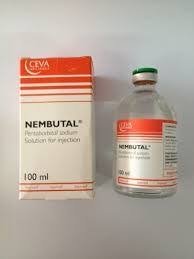
Nembutal is a brand name associated with pentobarbital sodium, a medication belonging to the barbiturate class. Barbiturates act on the central nervous system and can produce profound sedation and respiratory depression. Because of its potency, pentobarbital requires careful medical and regulatory oversight. Patients, caregivers, healthcare professionals, and pharmaceutical buyers should understand its risks before considering any product associated with this substance.
Read More




Reviews
There are no reviews yet.