
Popular
-
 Suspendisse gravida lacus varius
Original price was: $33.00.$22.00Current price is: $22.00.
-
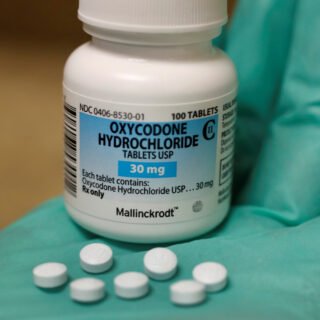 BUY OXYCODE 30MG ONLINE
Price range: $110.00 through $1,000.00
-
 BUY MEPERIDINE INJECTION ONLINE
Price range: $170.00 through $280.00
-
 Suspendisse volutpat massa
$39.00
-
 FENTANYL FOR SALE ONLINE
Price range: $190.00 through $1,500.00
](https://emipharmas.com/wp-content/uploads/2026/10/ok-30.jpg)
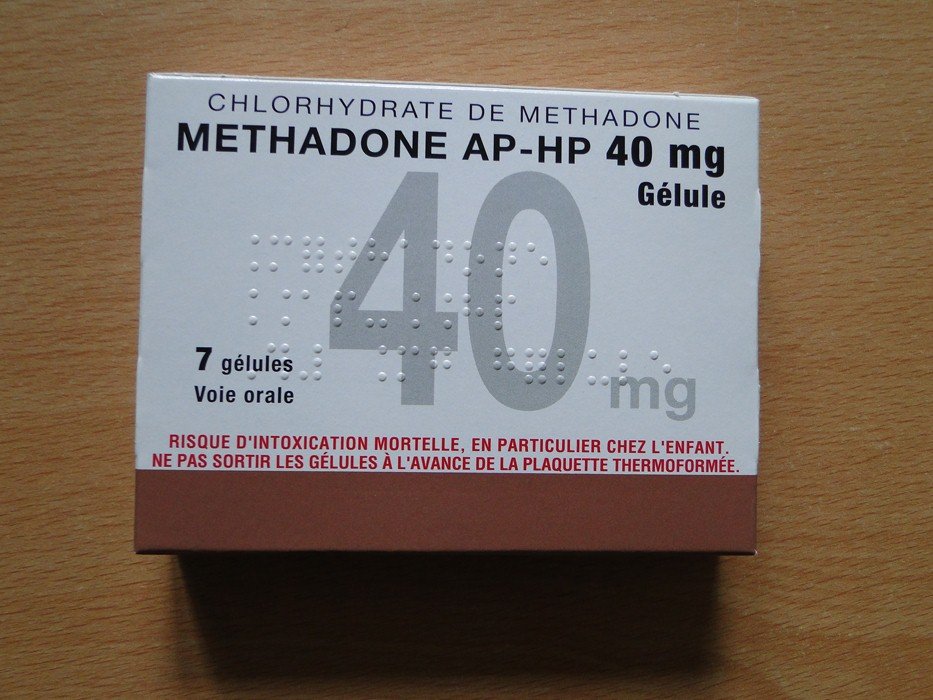
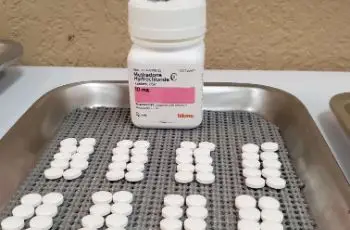
METHADONE FOR SALE ONLINE
Price range: $90.00 through $180.00
METHADONE FOR SALE ONLINE, its medical uses, prescription requirements, safety precautions, drug interactions, and access to regulations.
METHADONE FOR SALE ONLINE
Table of Contents
- Introduction to Methadone
- What Is Methadone?
- Medical Uses of Methadone
- How Methadone Works
- Methadone Treatment and Professional Supervision
- Methadone Safety Precautions
- Possible Side Effects
- Methadone Interactions With Other Medications
- Methadone and Percocet 5mg
- Regional Treatment and Prescription Regulations
- Importance of Regulated Pharmaceutical Services
- Frequently Asked Questions
- Conclusion
1. Introduction to Methadone
Methadone is a long-acting opioid medication used in established medical treatment programmes. It has an important role in healthcare, particularly in the management of opioid use disorder.
Its use requires careful medical supervision because its effects can last longer than some other opioid medications. Incorrect use, inappropriate dosing or combining methadone with certain other medicines can cause serious complications.
Patients, caregivers and healthcare professionals should understand its benefits, limitations and safety requirements before considering treatment.
At EmiPharma, pharmaceutical information should emphasise responsible medication use, legitimate prescriptions and professional healthcare guidance.

2. What Is Methadone?
Methadone is a synthetic opioid that acts on opioid receptors in the central nervous system.
Under appropriate medical supervision, it can help reduce opioid withdrawal symptoms and cravings in people receiving treatment for opioid use disorder.
Methadone is also prescribed in selected circumstances for pain management when a qualified healthcare professional determines that it is appropriate.
Because methadone can accumulate in the body, treatment requires individual assessment and monitoring.
3. Medical Uses of Methadone
Methadone has two principal medical applications:
Treatment of opioid use disorder
Methadone can form part of a comprehensive treatment programme. It helps reduce withdrawal symptoms and cravings, allowing patients to participate more consistently in healthcare and recovery services.
Pain management
In certain clinical circumstances, methadone may be prescribed for severe or persistent pain. Its use for pain requires specialist knowledge because of its long and variable duration of action.
4. How Methadone Works
Methadone acts primarily on mu-opioid receptors.
Its pharmacological effects include:
- Reducing opioid withdrawal symptoms.
- Reducing cravings associated with opioid dependence.
- Producing analgesic effects.
- Affecting the central nervous system.
The duration of its effects varies considerably between individuals. This is one reason medical professionals must carefully assess patients and monitor treatment.
5. Methadone Treatment and Professional Supervision
Methadone treatment should be provided through an authorised healthcare service.
Before treatment, healthcare professionals may evaluate:
- Medical history.
- Current prescription medications.
- Previous opioid exposure.
- Respiratory health.
- Liver function where clinically indicated.
- Potential cardiac risks.
- History of substance use.
- Other relevant health conditions.
Patients should never change their prescribed dosage independently.
6. Methadone Safety Precautions
Methadone can cause respiratory depression, sedation and impaired coordination.
Important precautions include:
- Never use methadone without a valid prescription.
- Follow the prescribing professional’s instructions.
- Never share prescription medication.
- Avoid alcohol during treatment unless specifically cleared by a healthcare professional.
- Do not combine methadone with other opioids without explicit medical direction.
- Keep medication away from children and other unauthorised individuals.
- Seek emergency assistance if someone becomes unconscious or experiences slow or difficult breathing.
7. Possible Side Effects
Potential side effects include:
- Drowsiness.
- Constipation.
- Nausea.
- Sweating.
- Dizziness.
- Dry mouth.
- Confusion.
- Respiratory depression.
- Changes in heart rhythm.
Severe breathing difficulties, fainting, unresponsiveness or suspected overdose require immediate emergency medical attention.
8. Methadone Interactions With Other Medications
Methadone interacts with numerous prescription medicines and other substances.
Some combinations can increase sedation, breathing difficulties or cardiac risks.
Examples include:
Benzodiazepines: Medicines such as diazepam, alprazolam and lorazepam can increase sedation and respiratory depression when combined with methadone.
Alcohol: Alcohol can intensify the central nervous system depressant effects of methadone.
Other opioids: Combining opioids can increase the risk of overdose.
Certain antibiotics: Some antibiotics can affect methadone metabolism or increase the risk of cardiac rhythm disturbances.
Antidepressants: Certain antidepressants can affect serotonin activity, methadone metabolism or cardiac electrical activity.
Antifungal medicines: Some antifungals can alter methadone concentrations in the body.
Patients should provide their healthcare professional with a complete list of medications, supplements and substances they use.
9. Methadone and Percocet 5mg
Percocet 5mg contains oxycodone, an opioid pain medication, combined with acetaminophen (paracetamol).
Combining Percocet with methadone can cause dangerous additive opioid effects.
Potential complications include:
- Severe respiratory depression.
- Excessive sedation.
- Loss of consciousness.
- Reduced coordination.
- Increased overdose risk.
- Death.
The combination should not be used unless a qualified prescribing professional has specifically assessed and authorised the treatment with appropriate monitoring.
Patients should never combine these medications independently.
10. Regional Treatment and Prescription Regulations
Prescription opioid regulations vary between countries.
Australia
Methadone is subject to strict prescription and treatment programme requirements. Patients should consult authorised healthcare professionals.
Asia
Requirements differ considerably across Asian countries. Patients should use locally authorised medical services.
Caribbean
Prescription and controlled-medicine regulations vary between Caribbean jurisdictions.
Europe
Methadone treatment is provided under national healthcare and controlled-drug frameworks.
Africa
Patients should consult licensed healthcare professionals and authorised pharmaceutical services in their respective countries.
Canada
Methadone is regulated as a prescription medication, with treatment governed by applicable federal and provincial requirements.

Central America
National pharmaceutical and controlled-substance legislation determines access and prescribing requirements.
Oceania
Patients should consult authorised healthcare services and follow local prescription regulations.
Philippines
Methadone treatment and controlled-medicine access must comply with applicable Philippine healthcare regulations.
South America
Patients should obtain medical assessment through authorised local healthcare providers and comply with national pharmaceutical laws.
11. Importance of Regulated Pharmaceutical Services
Responsible pharmaceutical services protect patients by ensuring that prescription medicines are handled appropriately.
Important considerations include:
- Verification of pharmacy authorisation.
- Valid prescriptions.
- Appropriate dispensing procedures.
- Medication counselling.
- Safe storage and handling.
- Patient confidentiality.
- Pharmacovigilance and adverse-event reporting.
Consumers should avoid websites offering prescription opioids without a legitimate prescription or appropriate professional oversight.
methadone without a doctor’s prescription or medical supervision can be dangerous and potentially fatal. Methadone is a powerful, long-acting opioid. It can affect breathing, heart rhythm and the central nervous system.
Here are the possible side effects.
1. Common side effects
A person taking methadone may experience:
-
Nausea and vomiting.
-
Constipation.
-
Excessive sweating.
-
Drowsiness and sleepiness.
-
Dizziness or light-headedness.
-
Dry mouth.
-
Headaches.
-
Muscle weakness.
-
Reduced appetite.
-
Itchy skin.
-
Sexual problems.
-
Difficulty concentrating.
2. Serious side effects
More dangerous reactions include:
-
Slow or shallow breathing.
-
Severe sedation.
-
Confusion or disorientation.
-
Fainting.
-
Irregular heartbeat.
-
Low blood pressure.
-
Loss of consciousness.
-
Severe respiratory depression.
Methadone can cause dangerous breathing problems, particularly in people who are not accustomed to opioids.
3. Methadone overdose symptoms
Signs of a possible overdose include:
-
Inability to wake up.
-
Blue or grey lips and fingernails.
-
Cold, clammy skin.
-
Weak heartbeat.
If someone has taken methadone without a prescription and develops these symptoms:
-
Call emergency medical services immediately.

-
Keep the person under observation and follow emergency responders’ instructions.
-
Do not induce vomiting or leave the person alone.
Even if the person initially appears fine, an overdose can develop later.
4. Dangerous drug interactions
Methadone can interact with other substances, including:
Substance Potential danger Alcohol Severe sedation and breathing suppression Percocet (oxycodone) Increased risk of fatal respiratory depression Xanax (alprazolam) Excessive sedation and overdose Valium (diazepam) Dangerous breathing suppression Sleeping medications Increased unconsciousness and sedation Heroin Increased opioid overdose risk Never combine these substances with methadone without explicit medical supervision.
MedlinePlus+1
5. Can methadone cause addiction?
Yes. Methadone can cause physical dependence and withdrawal symptoms.
Someone who uses it regularly may experience withdrawal symptoms if they suddenly stop, including:
-
Anxiety and restlessness.
-
Sweating and chills.
-
Muscle aches.
-
Insomnia.
-
Nausea and vomiting.
-
Diarrhoea.
-
Abdominal cramps.
Medical support is recommended when stopping regular methadone treatment.
MedlinePlus+1
6. Important questions
I would like to understand your situation so I can give you more relevant safety information.
Are you asking because:
-
You have taken methadone without a prescription.
-
You are considering taking methadone.
-
You want to understand its side effects for educational or pharmaceutical information.
-
Someone you know is experiencing side effects after taking methadone.
If someone has already taken it, how long ago did they take it, and are they experiencing any symptoms?
If they have difficulty breathing, are extremely sleepy or cannot be awakened, seek emergency help now rather than waiting for a reply.
-
12. Frequently Asked Questions
What is methadone used for?
Methadone is used in medically supervised opioid use disorder treatment and, in selected circumstances, pain management.
Is methadone a prescription medication?
Yes. It is a controlled prescription medication subject to strict regulations.
Can methadone cause dependence?
Yes. Methadone can produce physical dependence, which is why treatment requires professional supervision.
Can methadone be taken with Percocet 5mg?
Combining methadone and Percocet can cause severe respiratory depression and overdose. They should not be combined without explicit specialist medical direction.
Can alcohol be consumed during methadone treatment?
Alcohol can dangerously increase sedation and respiratory depression. Patients should avoid alcohol during treatment.
Does methadone have side effects?
Yes. Side effects can include nausea, constipation, sweating, dizziness and drowsiness. Serious complications include respiratory depression and cardiac rhythm abnormalities.
Can patients stop methadone suddenly?
Patients should not discontinue treatment independently. A healthcare professional should supervise any changes to treatment.
How can patients access legitimate methadone treatment?
Patients should contact an authorised healthcare provider or recognised treatment programme in their jurisdiction.
13. Conclusion
Methadone is an important prescription medication when used appropriately within a professionally supervised treatment programme.
Understanding its medical applications, possible side effects, interactions and regulatory requirements helps patients make informed decisions about their healthcare.
Responsible pharmaceutical services should always prioritise patient safety, legitimate prescriptions and professional medical guidance.
| QUANTITY | 5mg/100 pills, 10mg/ 100 pills, 15mg/100 pills, 20mg/100 pils, 30mg/100 pills, 40mg/100 pills |
|---|
Related products
-
FENTANYL POWER FOR SALE
Price range: $140.00 through $1,500.00Select options This product has multiple variants. The options may be chosen on the product pageFENTANYL POWER FOR SALE, medical uses, potency, safety precautions, serious side effects, drug interactions and the importance of opioid.
-
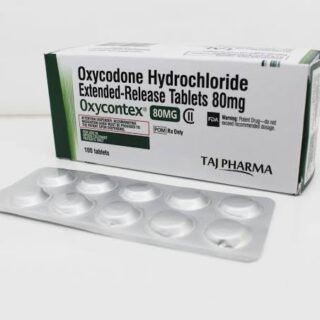
Oxycodone 80mg for sale
Price range: $300.00 through $900.00Select options This product has multiple variants. The options may be chosen on the product pageOxycodone 80mg for sale,medical information, approved uses, prescription requirements, safety precautions, potential side effects .
-
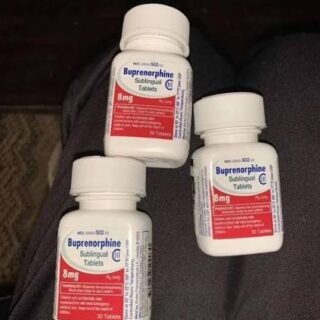
BUPRENORPHINE FOR SALE ONLINE
Price range: $250.00 through $420.00Select options This product has multiple variants. The options may be chosen on the product pageBUPRENORPHINE FOR SALE ONLINE, medical uses, opioid treatment, prescription requirements, potential side effects, drug interactions.
-

VICODINE FOR SALE ONLINE
$45.00Add to cartVICODINE FOR SALE ONLINE, hydrocodone and acetaminophen, prescription requirements, medication risks, drug interactions and safe online.
NEMBUTAL
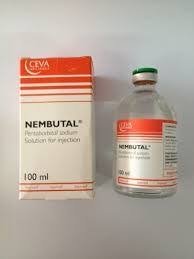
Nembutal is a brand name associated with pentobarbital sodium, a medication belonging to the barbiturate class. Barbiturates act on the central nervous system and can produce profound sedation and respiratory depression. Because of its potency, pentobarbital requires careful medical and regulatory oversight. Patients, caregivers, healthcare professionals, and pharmaceutical buyers should understand its risks before considering any product associated with this substance.
Read More


Reviews
There are no reviews yet.